Virtual Exhibit Overview

From the Hands of Fellowship:

Masonic Folk Art from the Collections of the Henry W. Coil Library and Museum of Freemasonry

Freemasonry, as the oldest fraternal organization in North America, has a long history of craftsmanship in the fashioning of personal regalia, lodge furnishings, and decorative objects. From the very beginnings of speculative Masonry in the early 18th century, ordinary members of the craft have sought to inspire awe, reverence and fellowship through their handiwork.

Before the age of mass production, the artist who painted a portrait or embellished a piece of furniture might have also decorated a parade banner, an apron, or a backdrop for a fraternal lodge. Carving, sewing, and painting the symbols of the lodge room on to everyday objects became a form of folk art, encoding the ideals of fellowship, labor, charity, and wisdom—the core of fraternal teachings—into the everyday experience of living. Enigmatic, evocative, and familiar, Masonic symbols thus became a rich part of contemporary American popular culture.

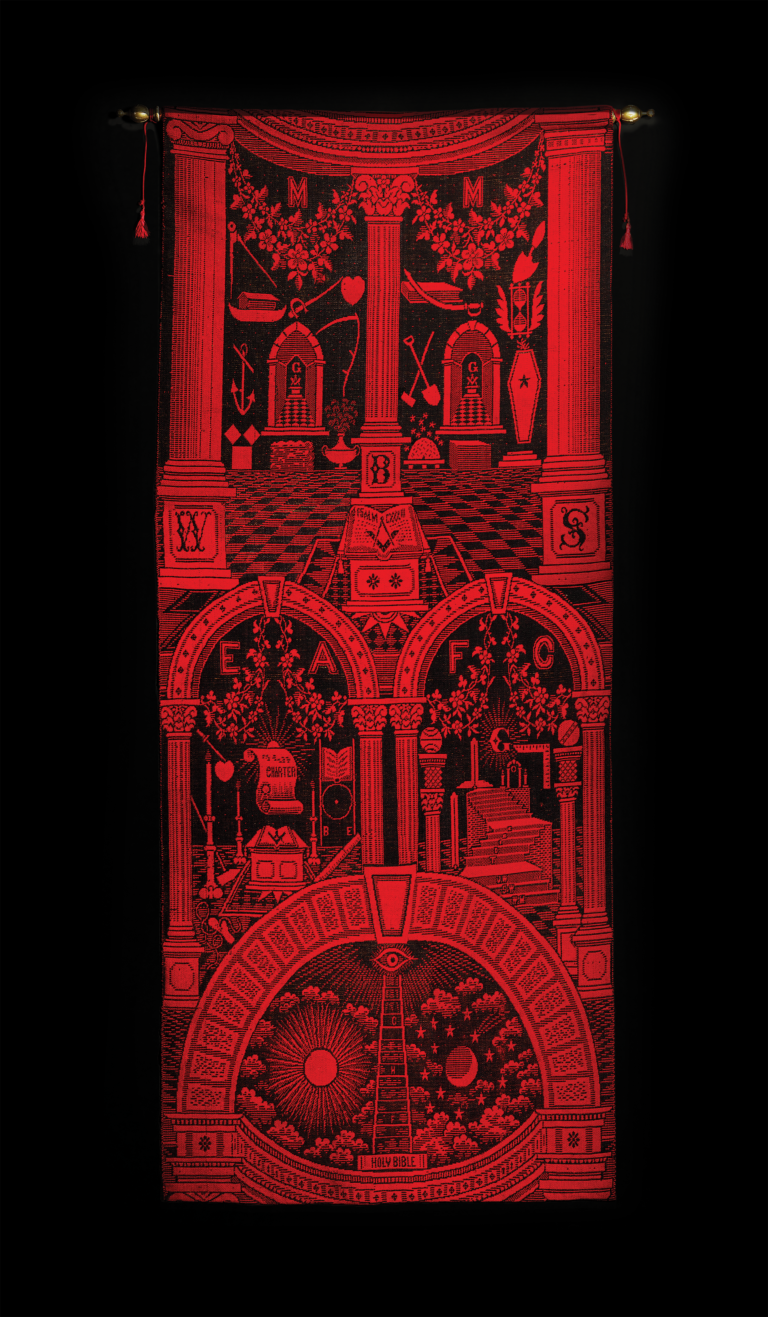
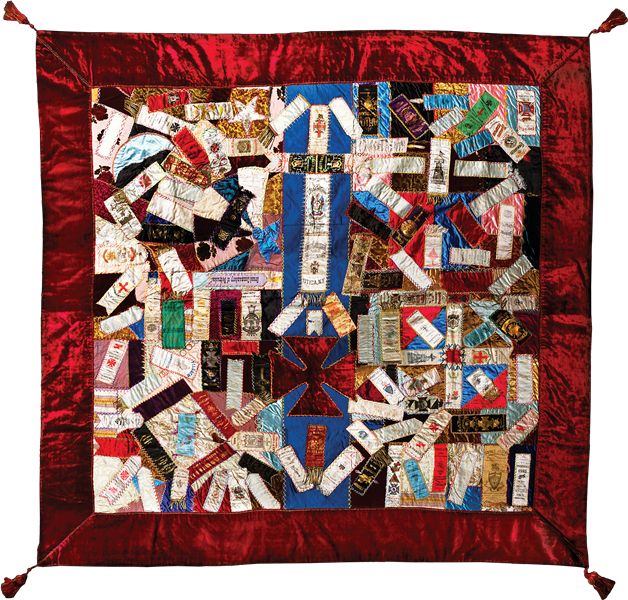
Presented here is a small collection of Masonic folk-art objects drawn from the museum collection of the Henry W. Coil Library and Museum of Freemasonry. These objects were created by self-taught artists, men and women who were inspired to share their skills and the enduring messages of the fraternity. Comprised of aprons, quilts, wood carvings, and mysterious boxes, the artwork in this exhibition showcases many hands at work. They also illustrate how the fraternity has been intertwined with the everyday life of its members. When we look closely at these objects we learn as much about life outside the lodge as we do about life inside it.
Gallery 1: Aprons and Textiles

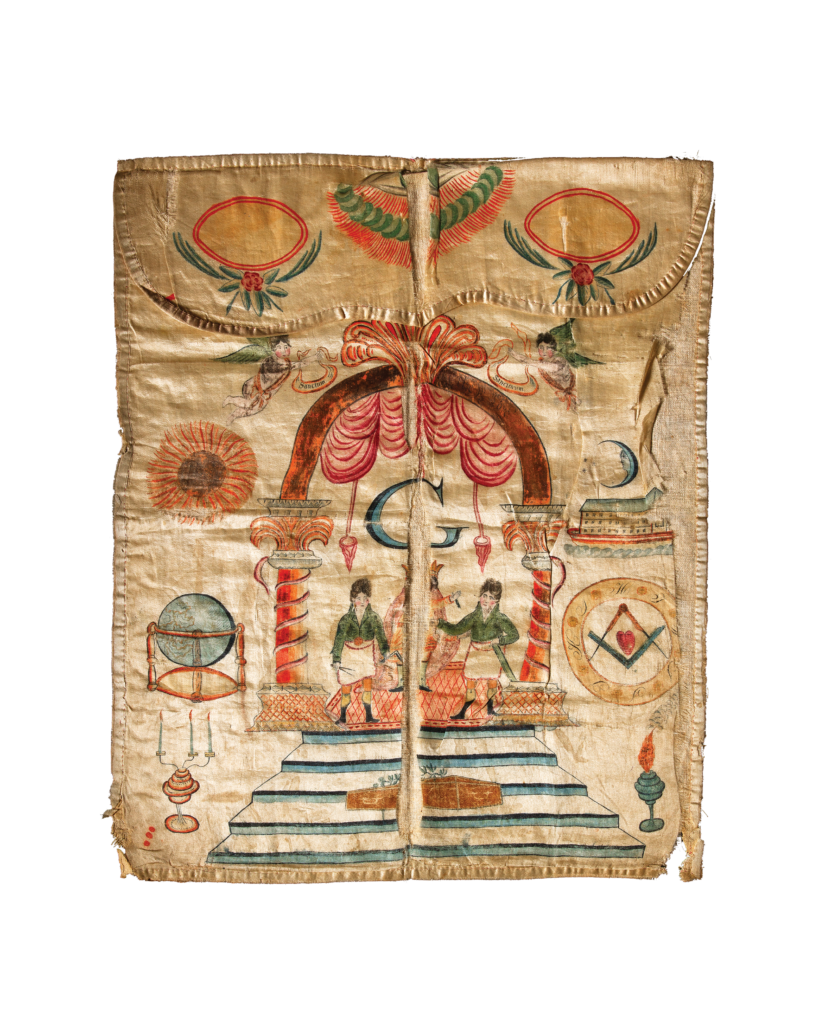
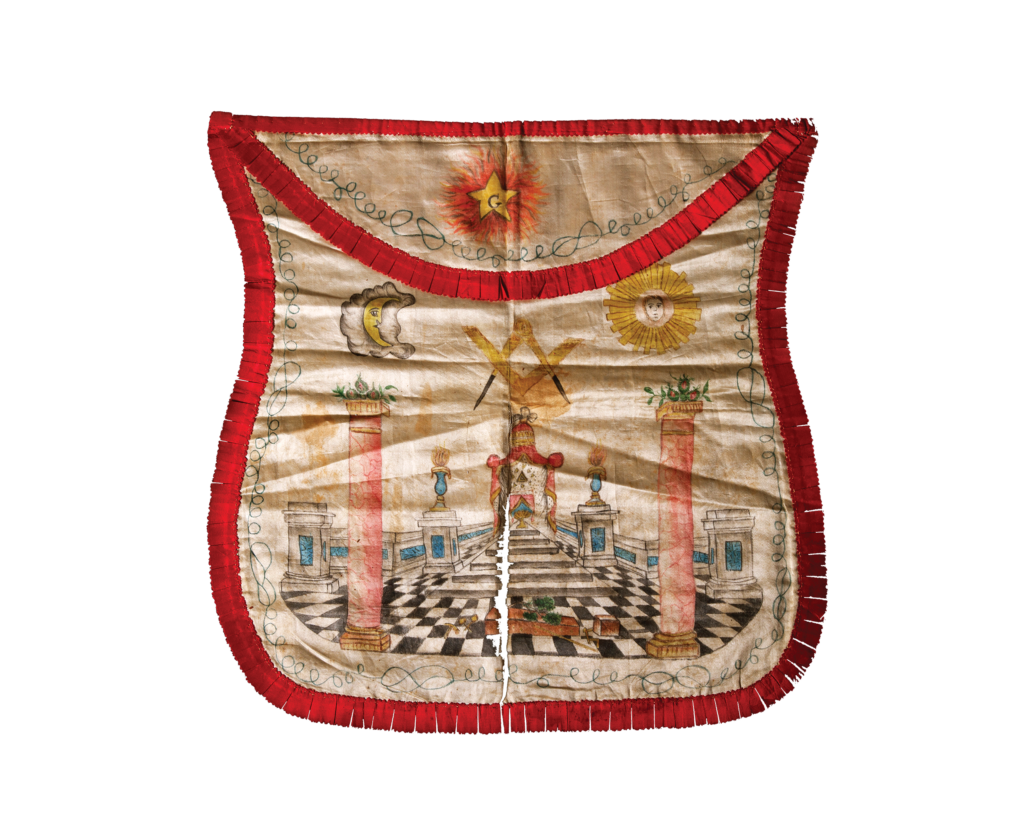
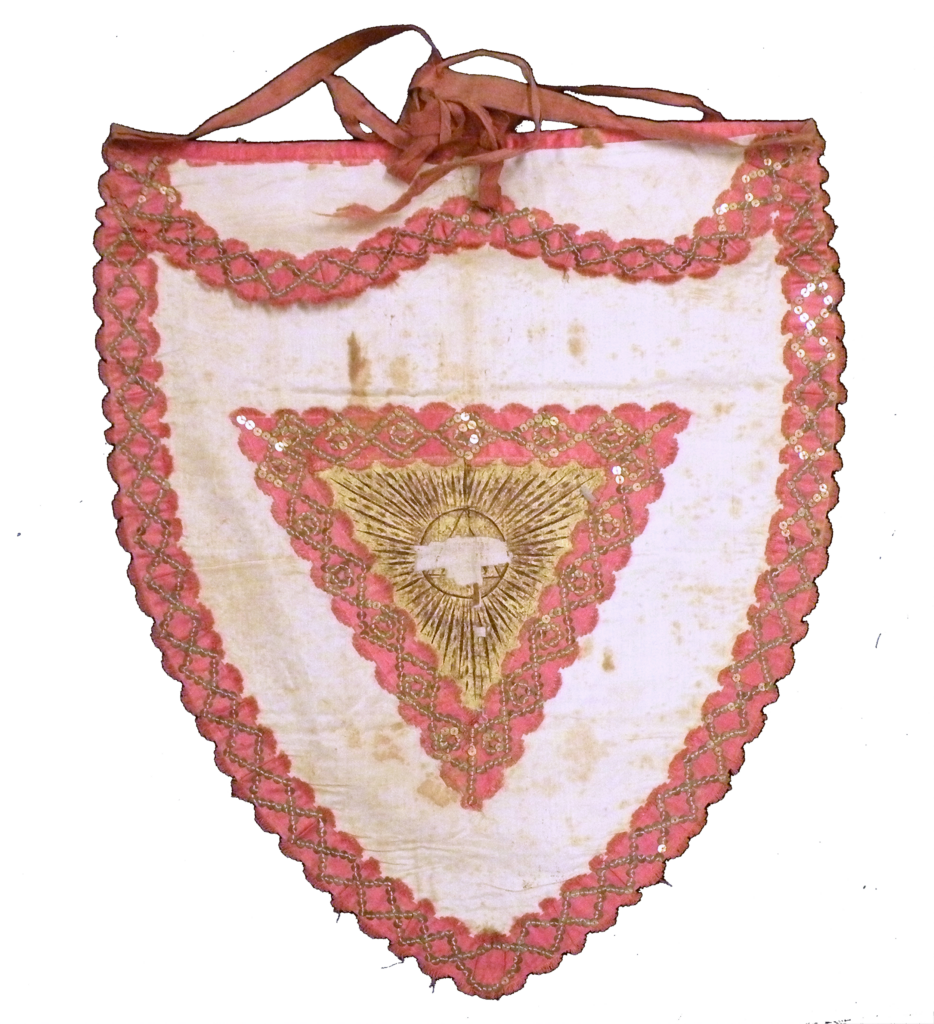
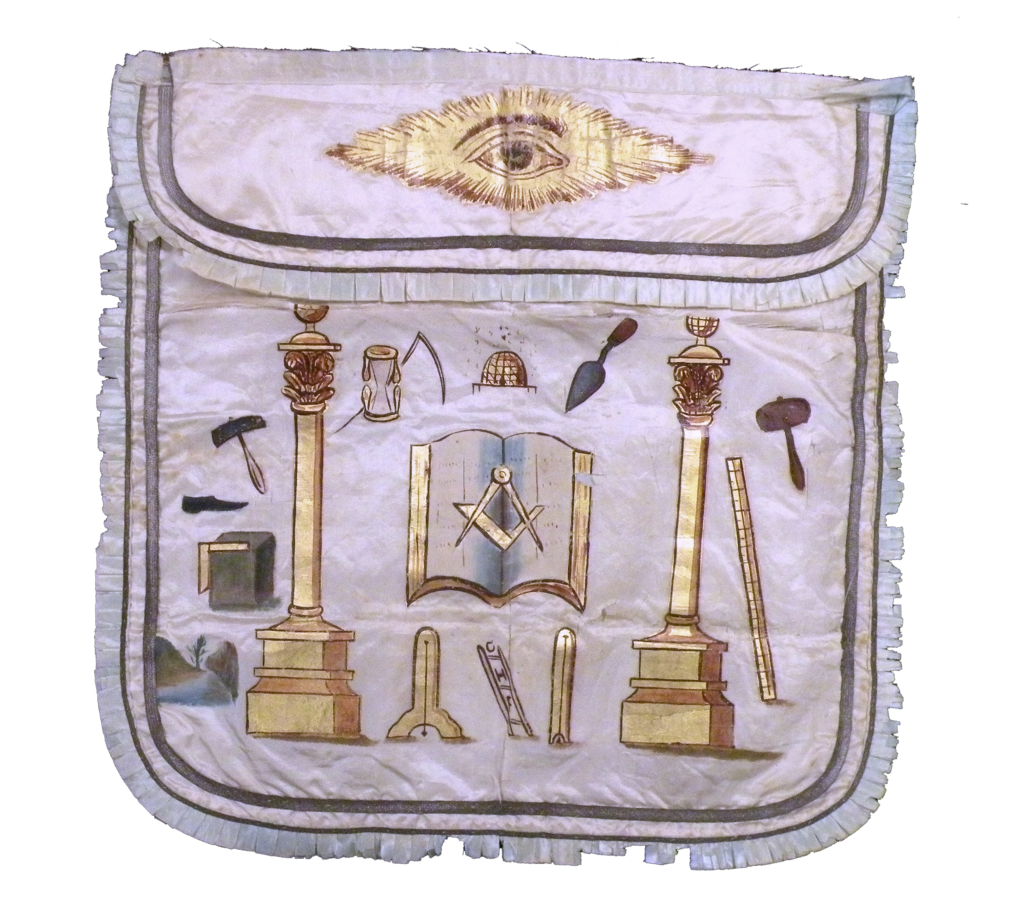
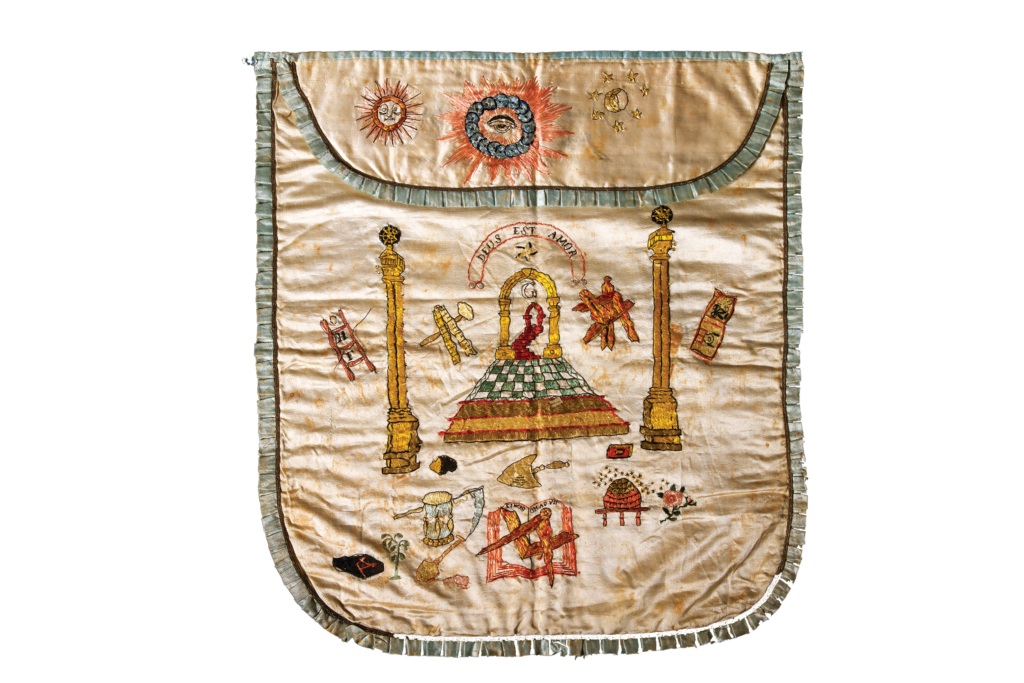
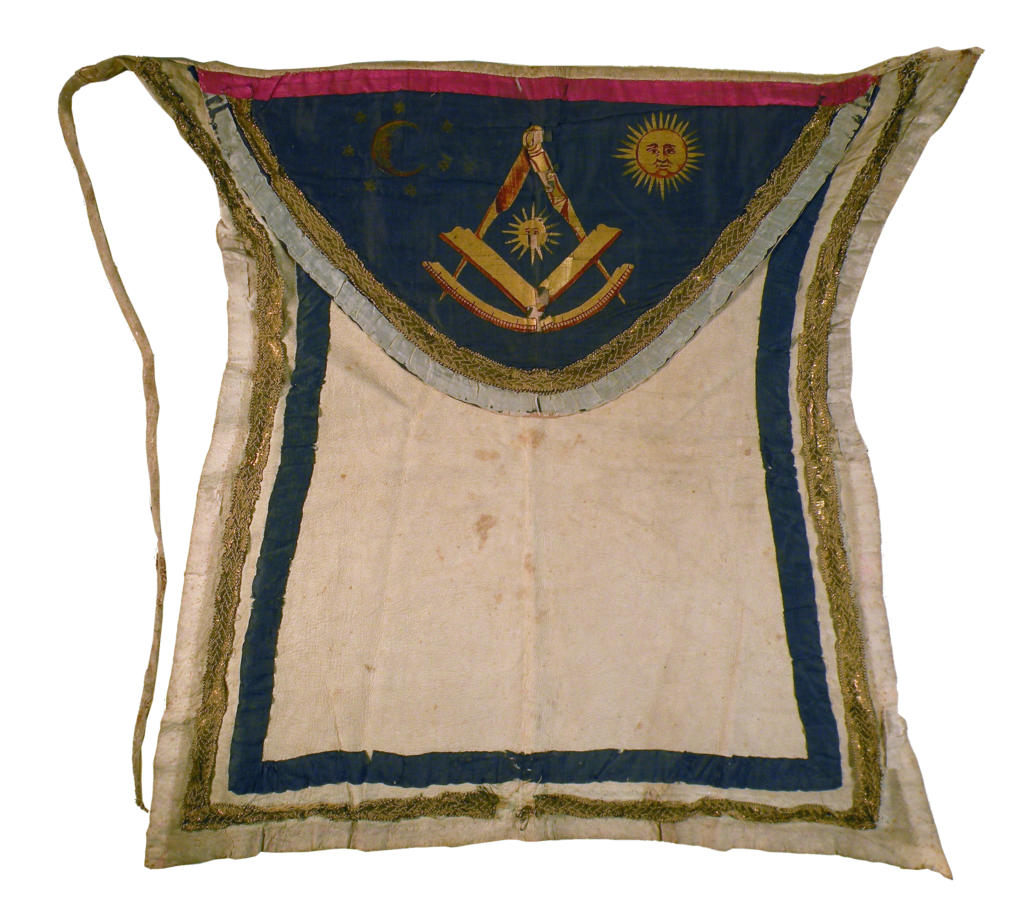
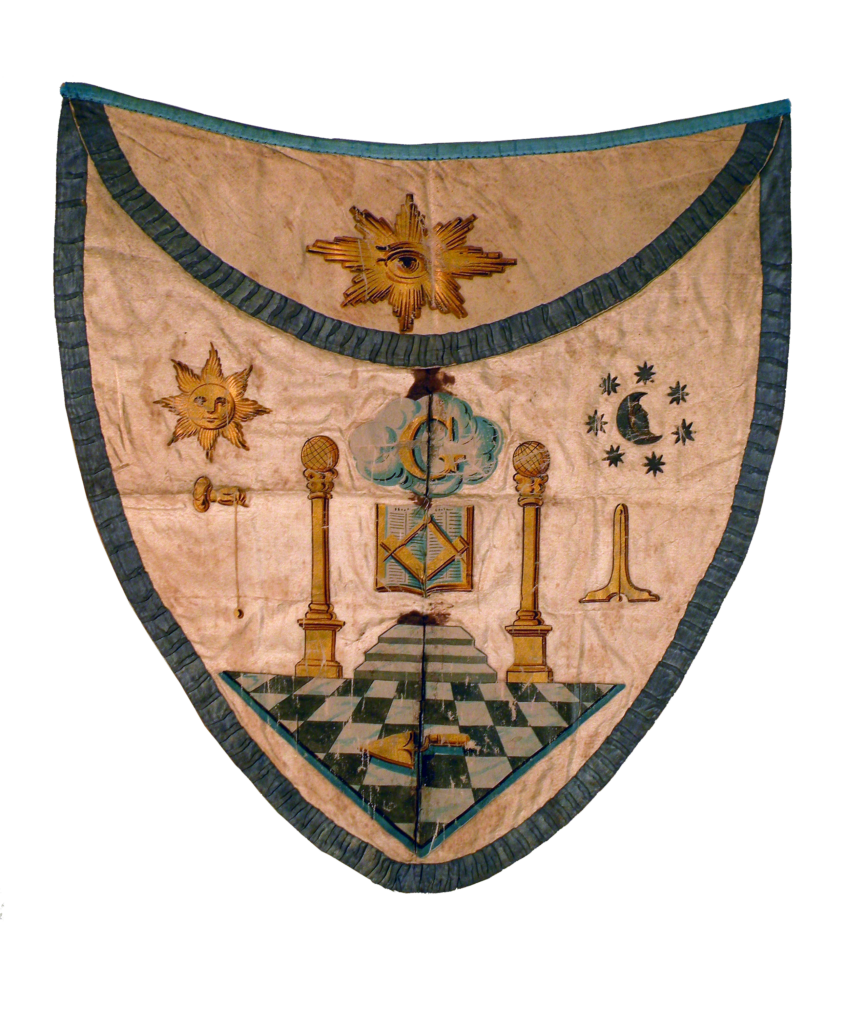
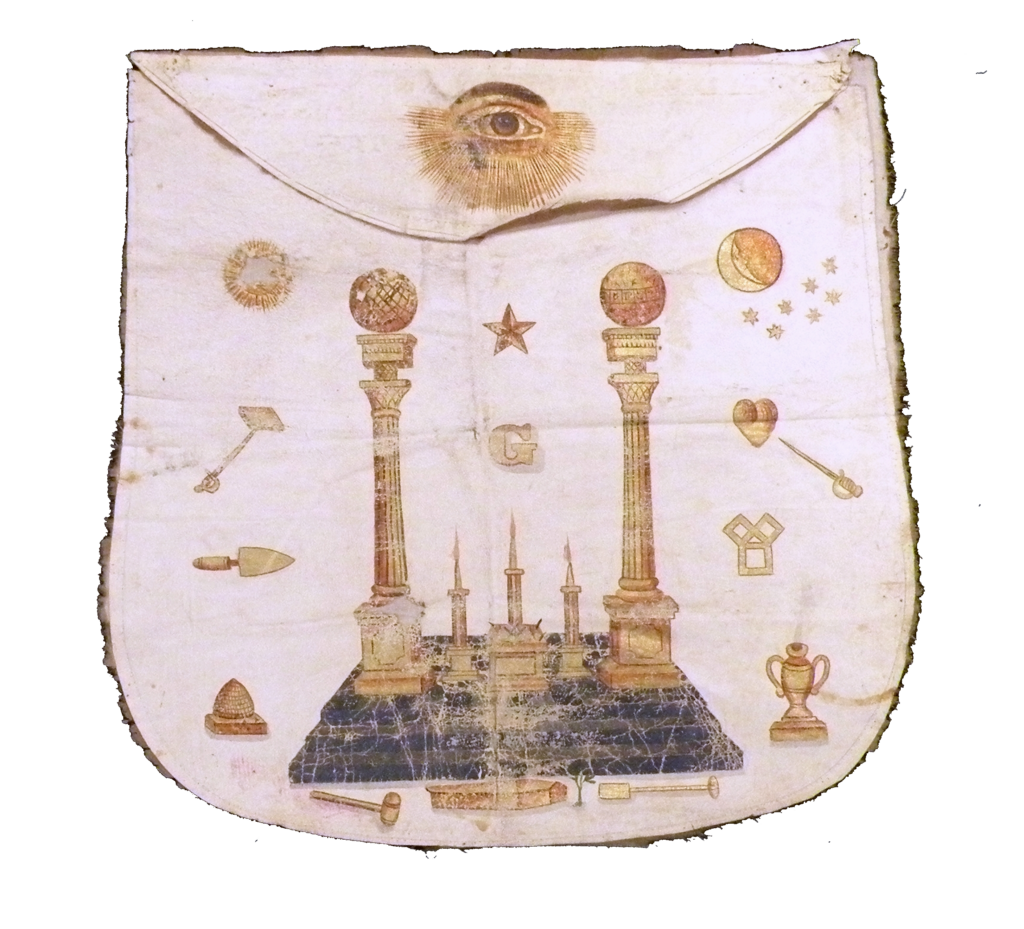
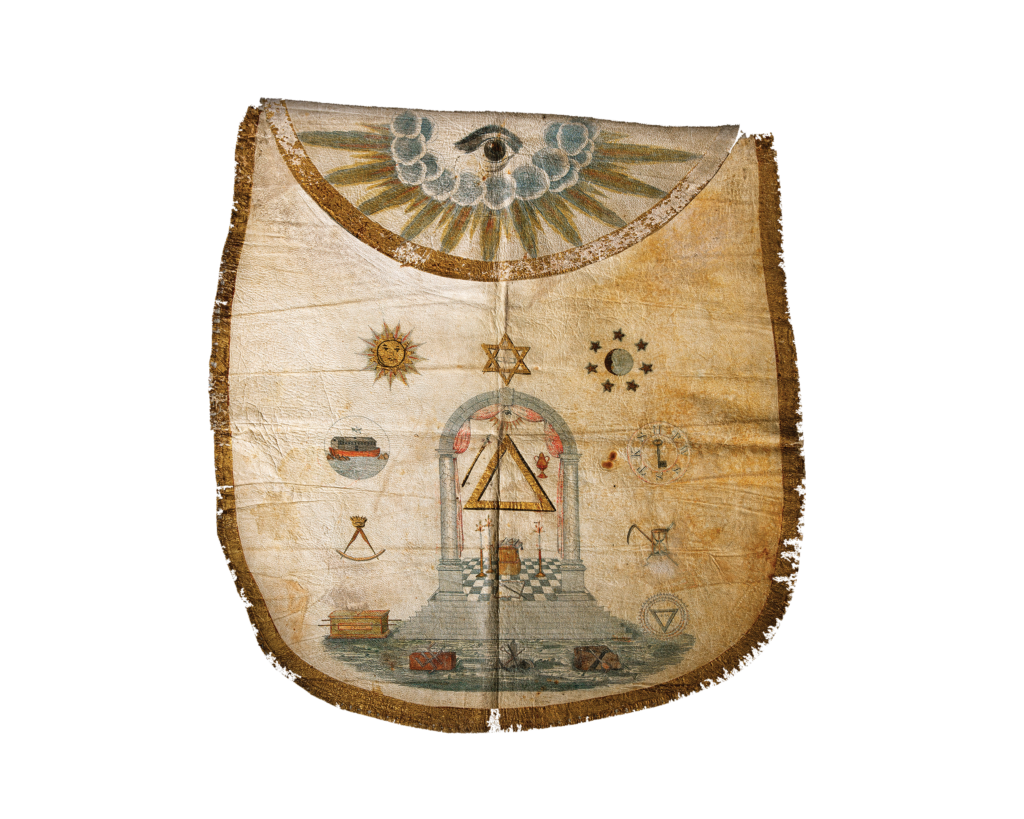
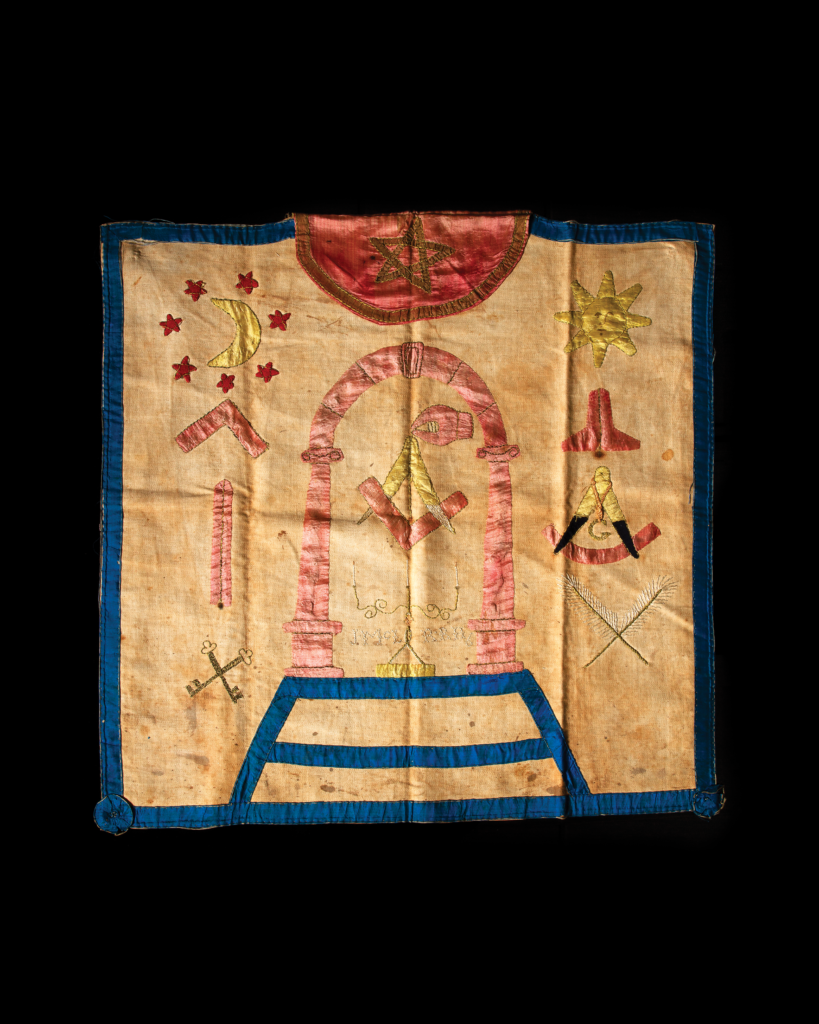
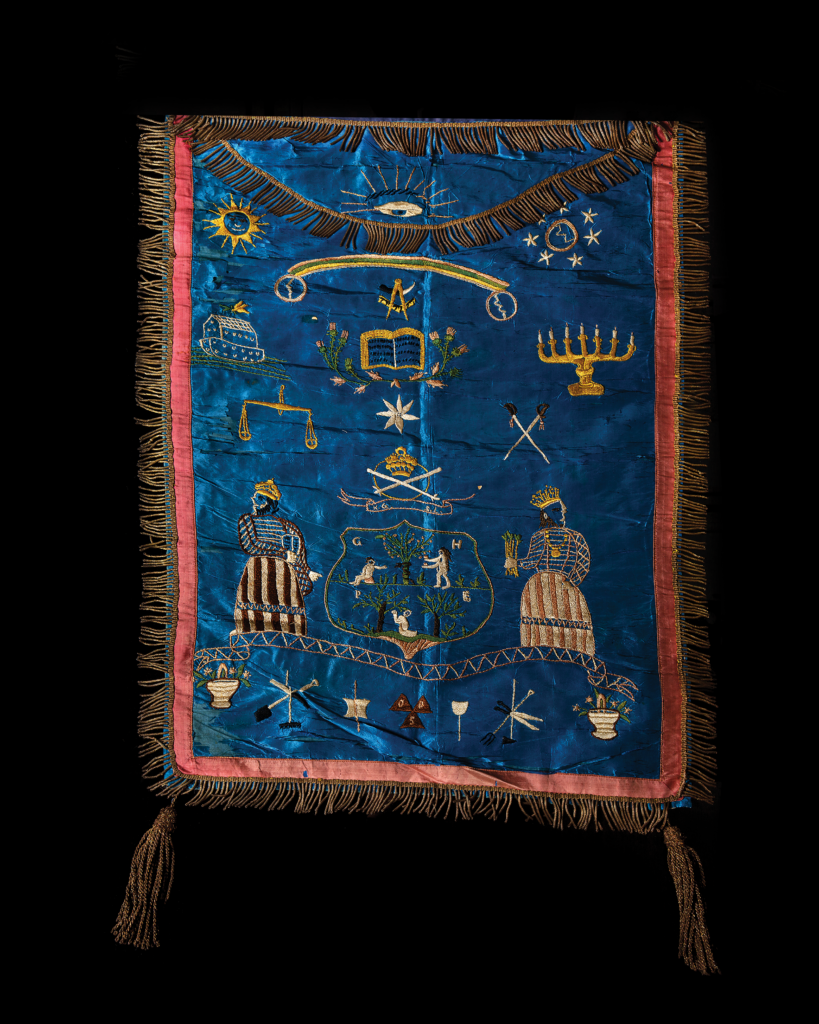
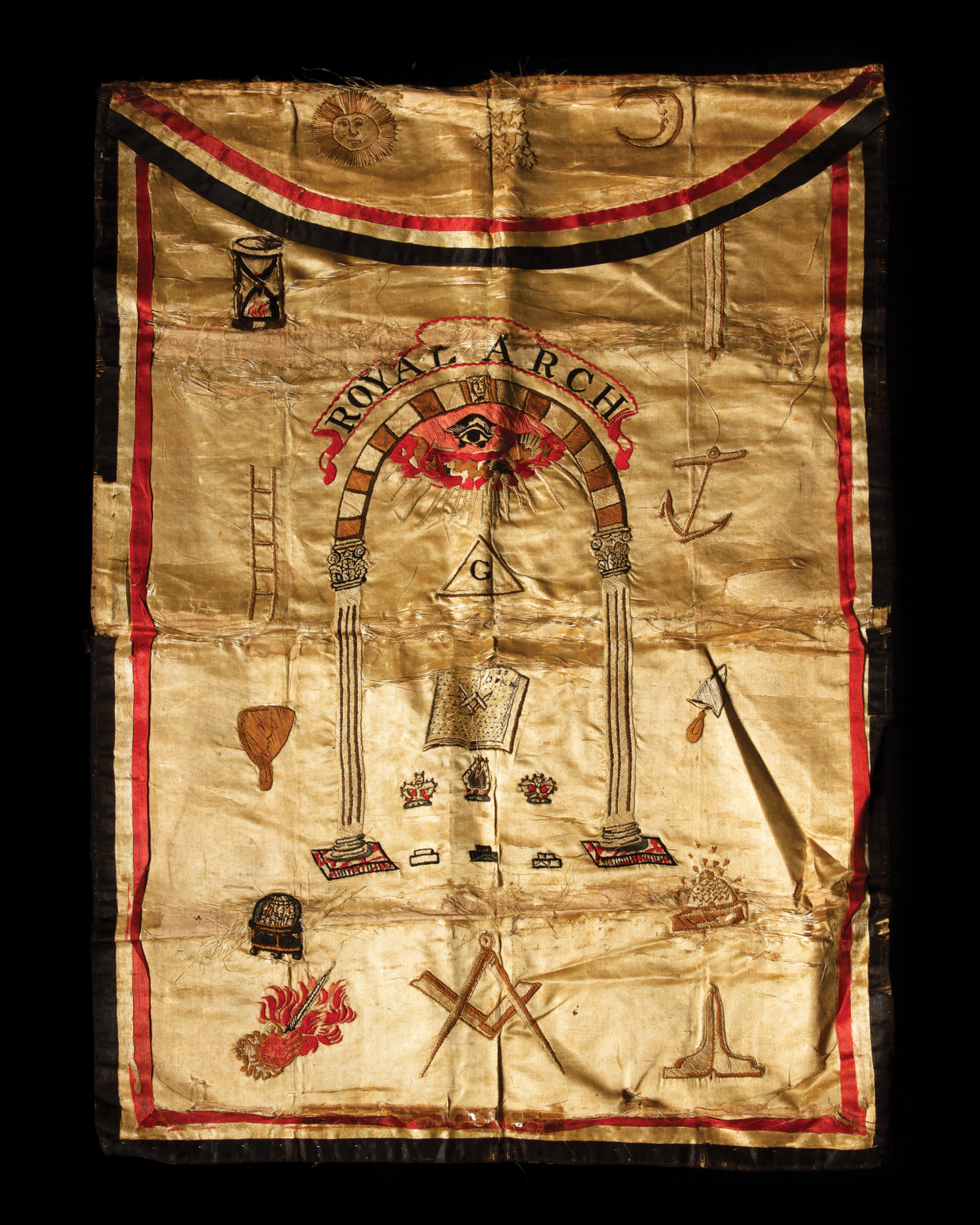
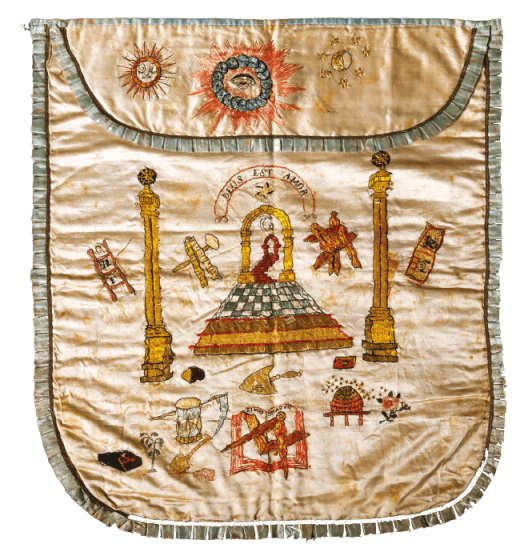
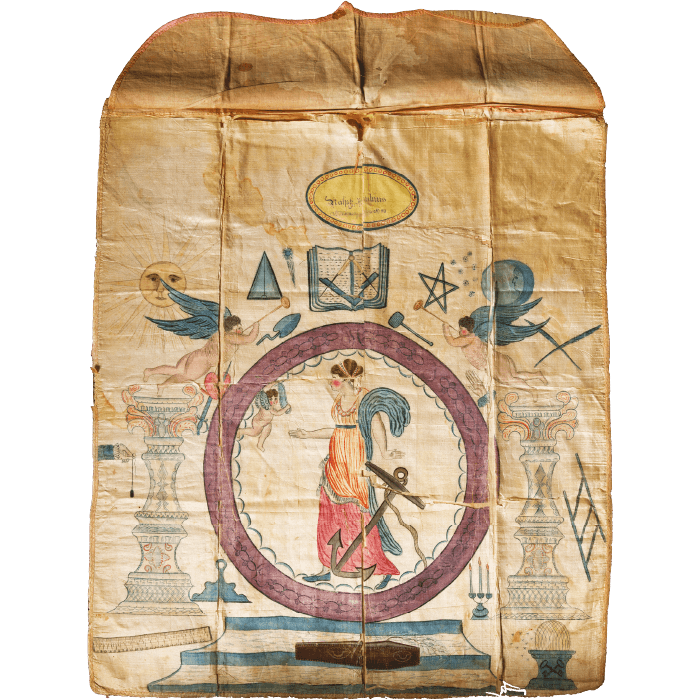
Throughout the 18th and early 19th centuries the sewing and decorating of Masonic articles remained the domain of the Mason’s female relatives. While women were not permitted to be members of the fraternity, they were often involved in the associated folk-art practice. Women were highly conversant with the symbolic vocabulary of Freemasonry producing colorful aprons featuring familiar symbols using embroidery, paint and ink. By stitching a Masonic apron or collar, a woman supported her husband’s Masonic activities while also learning about Freemasonry and feeling connected to him, as well as to her larger community.

The majority of aprons on display here were made by women in the early to mid-19th century in the eastern United States. New England, Pennsylvania, and the Mid-west became centers of craftsmanship in the colonial and early republican periods. As settlers from these areas moved west across the continent to California, they brought their skills and their Masonic heirlooms with them.

Master Mason Apron

Royal Arch Apron

Scottish Rite Master Mason Apron

Scottish Rite Lodge of Perfection Apron

Master Mason Apron

Royal Arch Apron

Scottish Lodge Master’s Apron

Master Mason Apron

Master Mason Apron

Royal Arch Apron

Royal Arch Apron

Order of Free Gardeners Apron

Royal Arch Apron

Emblematic Carpet

Knights Templar 22nd Triennial Conclave Ribbon Quilt

Gallery 2: Wood, Boxes and Canes

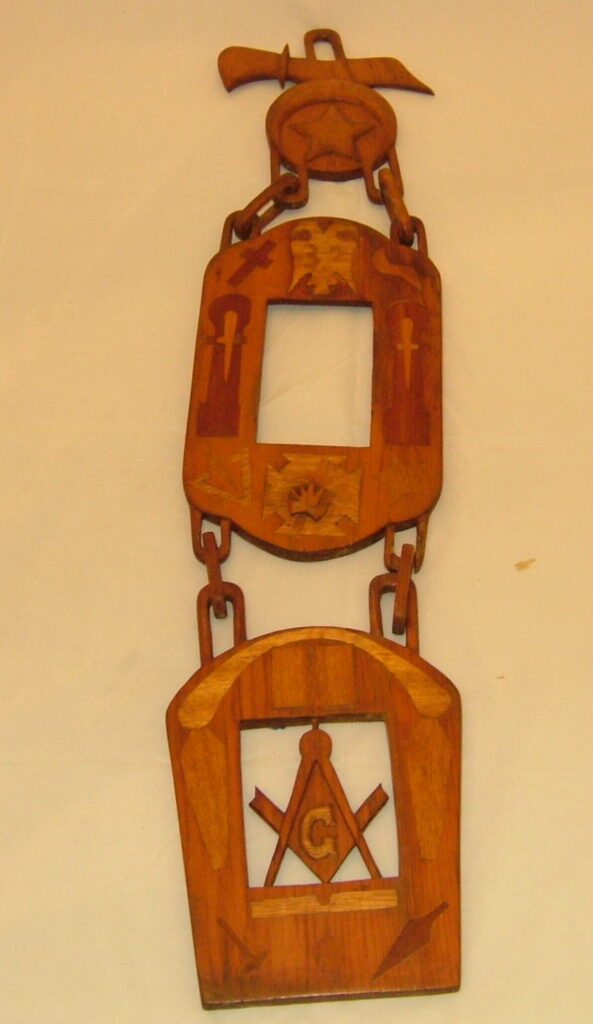
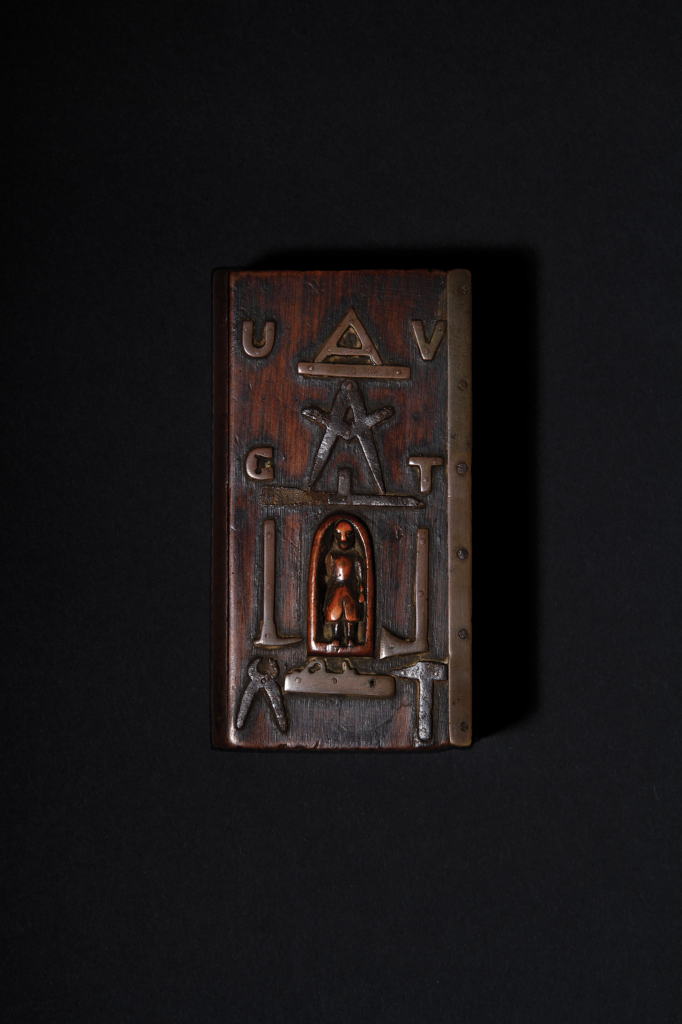
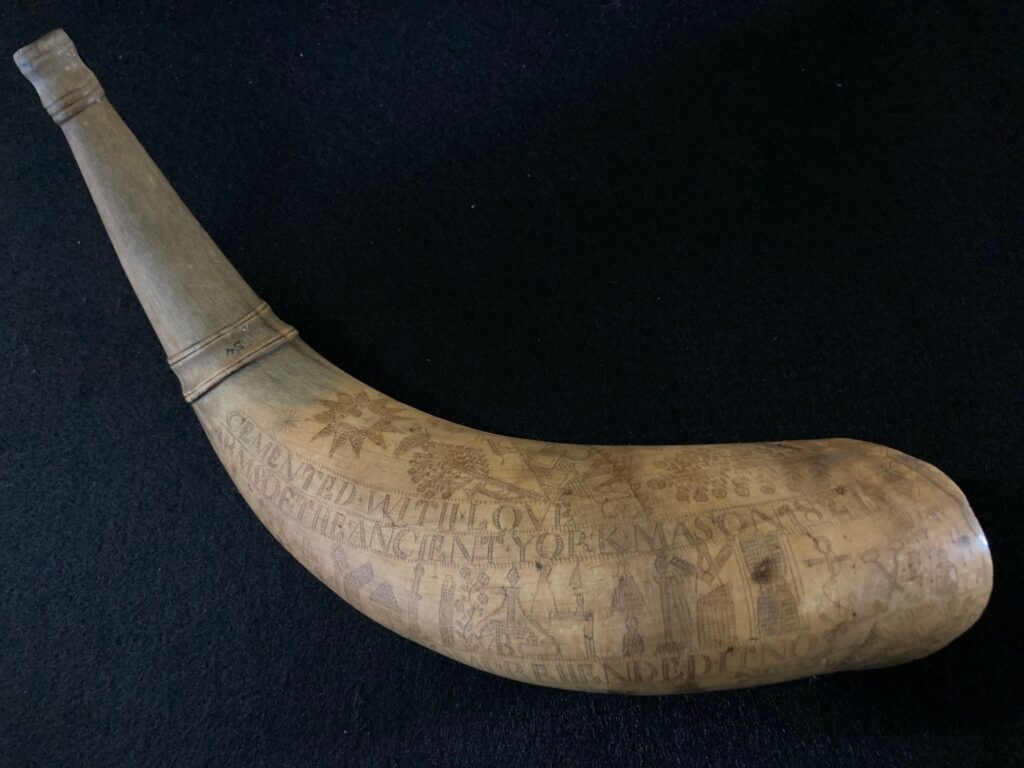
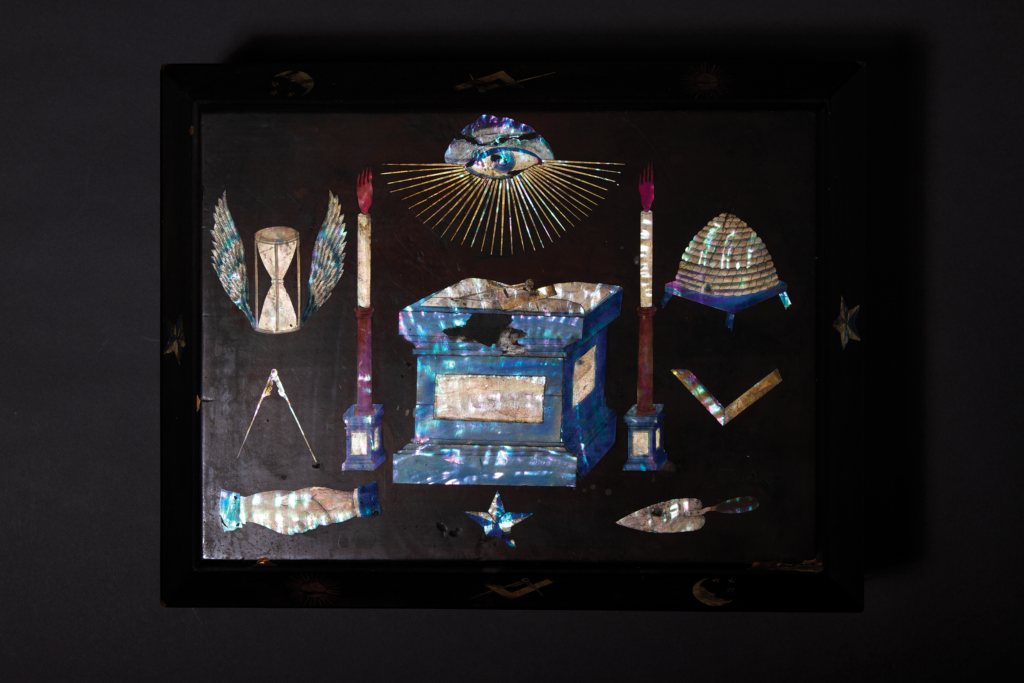
Throughout history wood has been used to create useful as well as beautiful and decorative objects. In the early 19th century vast forests still remained in North America, supplying a ready resource for all manner of tools and objects used in daily life. Self-taught artisans created utilitarian objects such as bowls, chairs, tools, boxes, and shelves. Most wood folk objects were made for use, with decoration as a secondary concern.

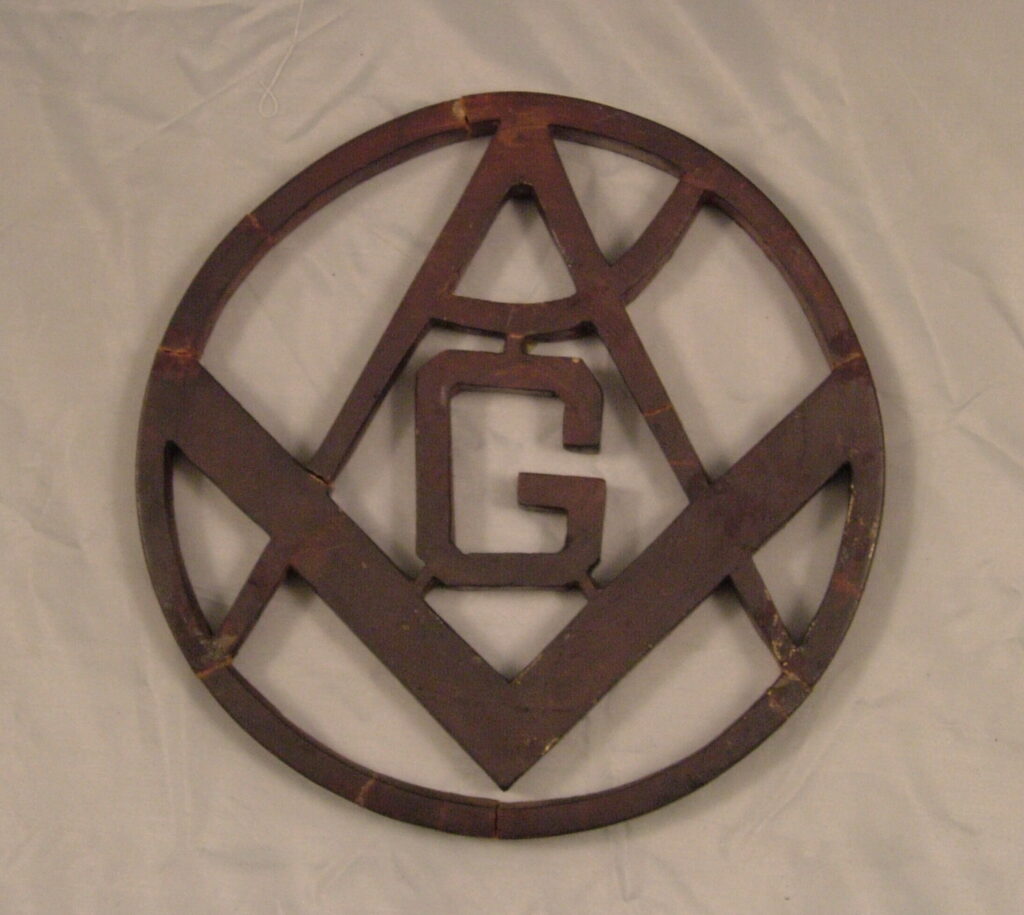
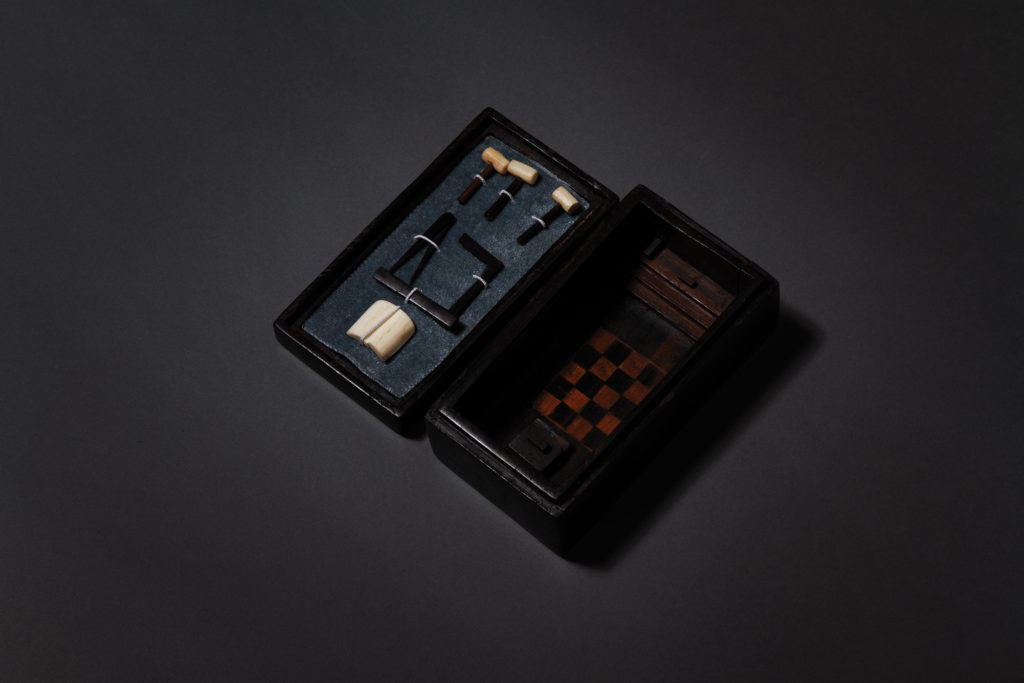
Occasionally, however, one finds things which were made simply for the pleasure of the making. Masonic folk art is an example of artisans creating wood objects to beautify their lodge. Handmade wooden pillars, chairs, altars, and ritual objects were created to grace the lodge room and honor the brotherhood. Boxes, canes, and artwork, created to store aprons or educate the initiate, were carved or inlaid with Masonic symbols. The symbolic vocabulary of the craft, used as decoration and ornament on household objects, thus became part of the everyday. These eloquent objects, in which the myths, tenets, and values of fraternity are celebrated, have survived through generations and continue to inspire us.

Master Wall Hanging

Minature Lodge Room

Masonic Wall Hanging

Wood box

York Rite Powder Horn

Lacquer Box

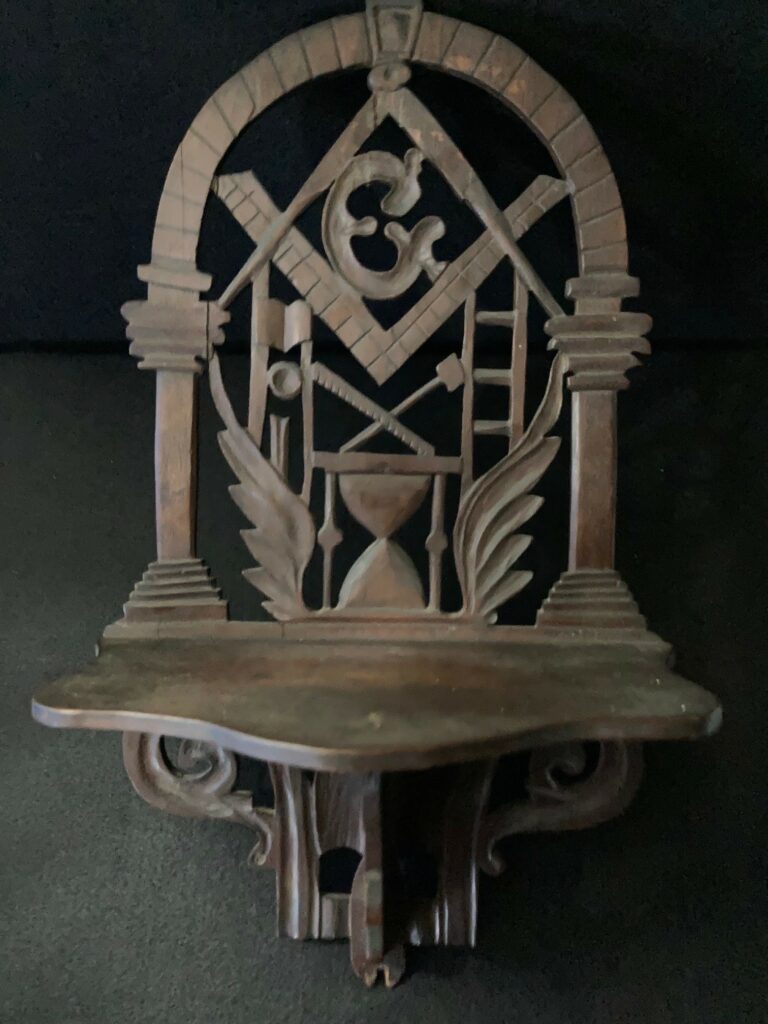
Masonic Shelf

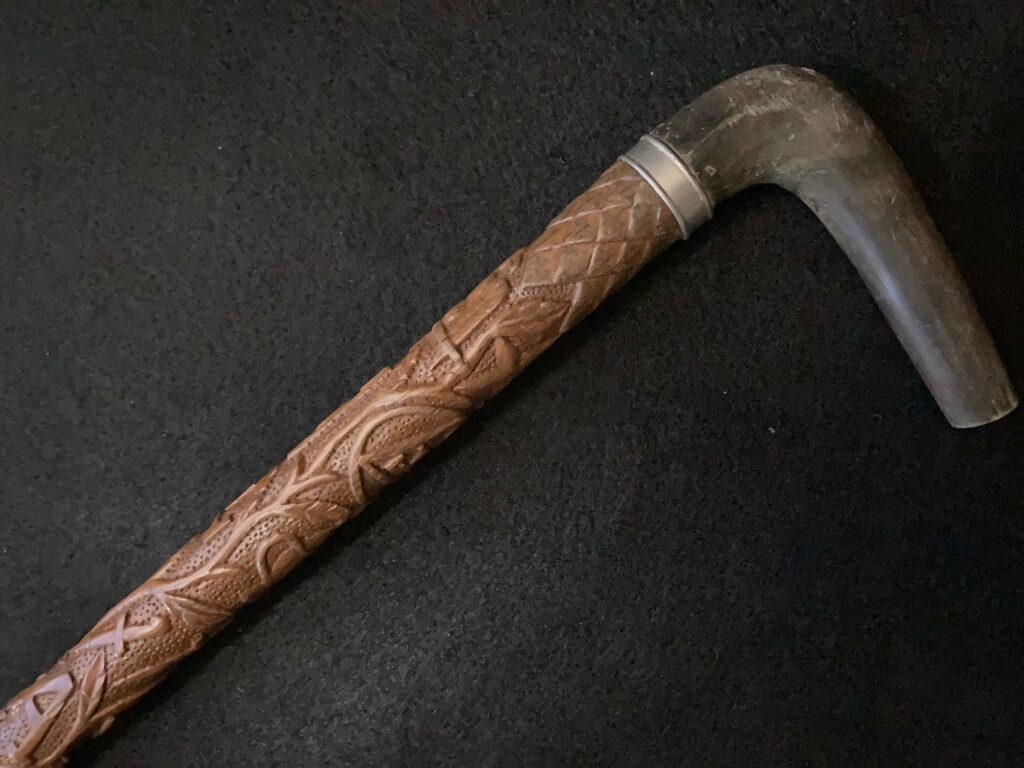
Wooden Walking Stick

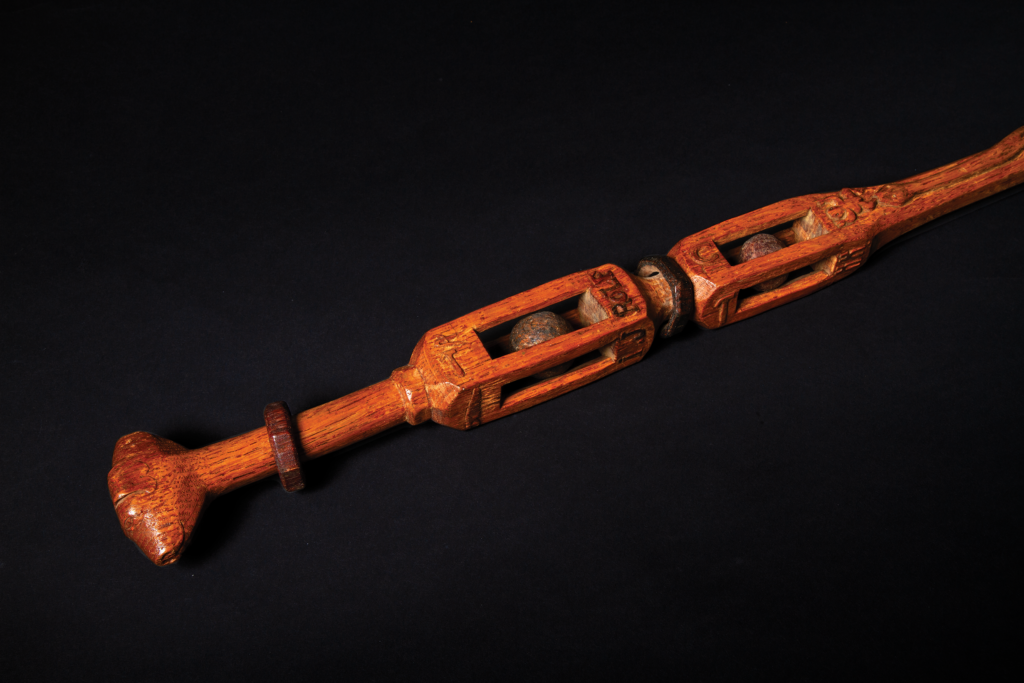
Two Ball Walking Stick

Search

Explore virtual exhibits and collections
Get inspired
CA Freemason Magazine
latest digital issues
Summer 2026: Sacred Ground
Spring 2026: Masonic Style
A Simple Guide to Understanding—and Talking About—Freemasonry