Hollywood wasn’t built by star power alone. Behind the cameras—and in front of them—Freemasons helped establish studios, pioneer new ways of making movies, redefine comedy, and create some of the silver screen’s most enduring characters. Though Masonry never promised fame, many of the industry’s most influential figures found fellowship inside the lodge as well as under the spotlight.
D.W. Griffith (1875–1948)
Director
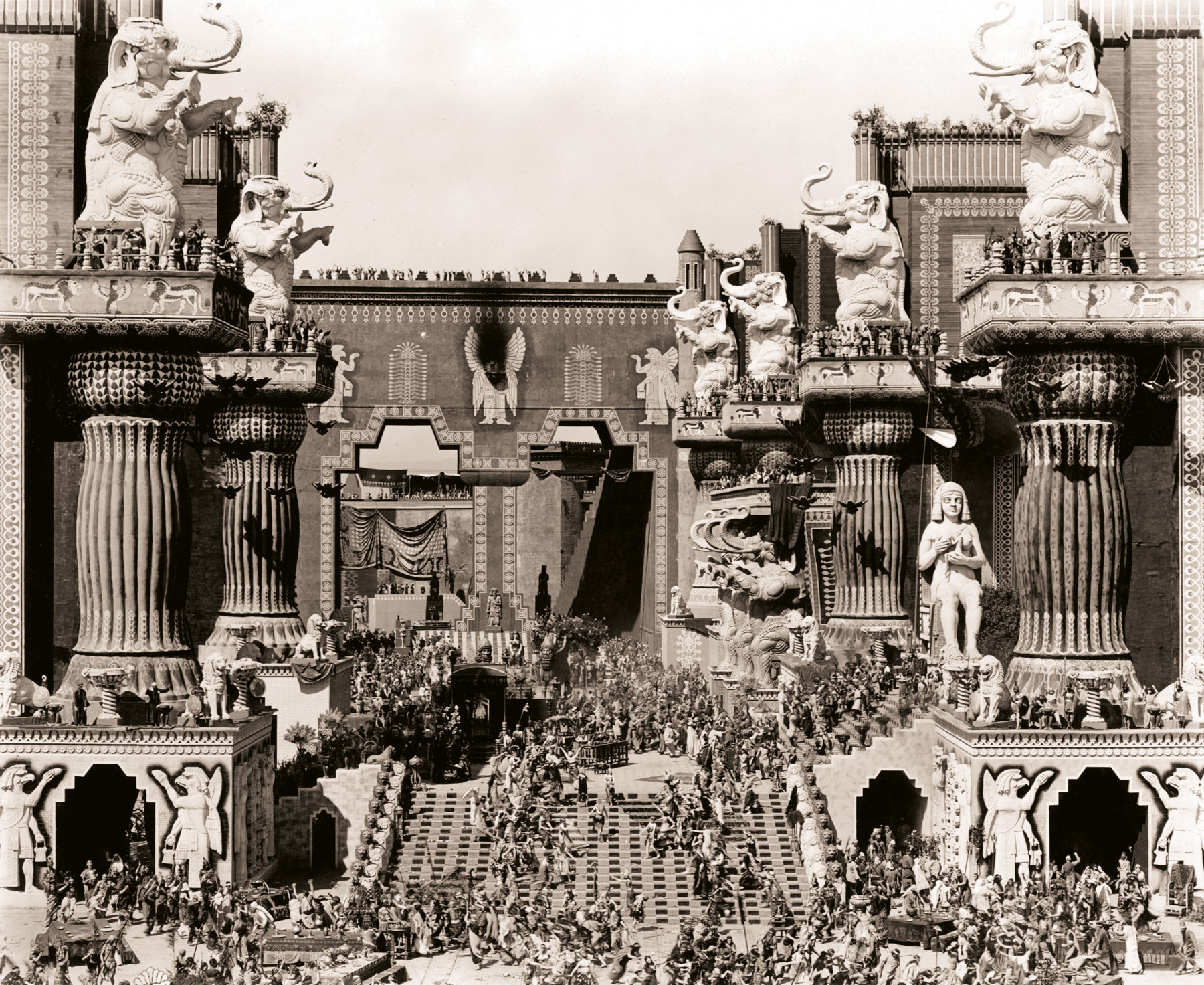
Few filmmakers changed the language of cinema as dramatically as D. W. Griffith. Though The Birth of a Nation remains deeply controversial, Griffith’s innovations in editing, close-ups, and crosscutting became foundational techniques for generations of directors. An initiated member of St. Cecile № 568 in New York City, his artistic legacy is inseparable from the complicated history of early American filmmaking. His 1948 memorial service was held at the Hollywood Masonic Temple.
W.C. Fields (1880–1946)
Comedian, Actor
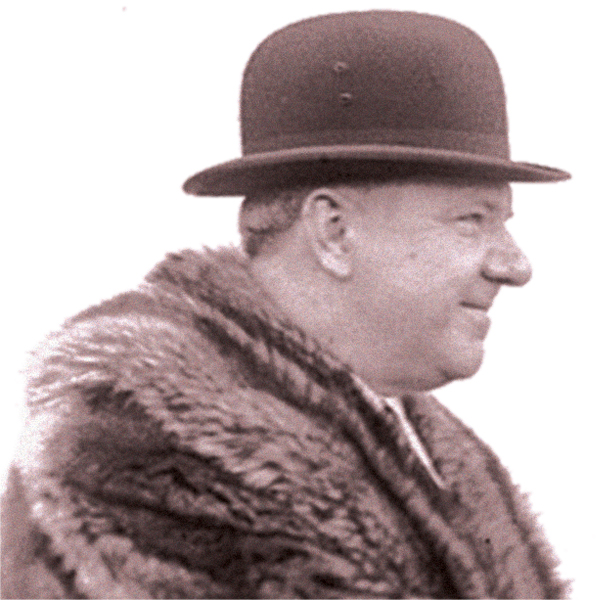
His comic persona was gruff, sarcastic, and perpetually annoyed—but W. C. Fields’s generosity behind the scenes surprised many who knew him. A member of E. Coppée Mitchell № 605 in Philadelphia, Fields became a master of verbal wit in films like The Bank Dick and My Little Chickadee, influencing comedians for generations.
Henry (Harry) and Jacker Warner (1881–1958)
Studio Founders, Producers
Both the city and the boulevard commemorate David Burbank, a dentist, rancher, and real estate developer who purchased more than 9,000 acres in the San Fernando Valley and laid the foundation for the city that bears his name. He was a member of Pentalpha No 202.
Long before Warner Bros. became one of Hollywood’s legendary studios, Harry Warner helped build it from the ground up alongside his brothers Jack and Samuel, and two among them—Harry and Jack—were California Freemasons at Mount Olive № 506. The siblings guided the studio through the arrival of sound, forever changing the way audiences experienced movies. Their nephew, film producer Jack M. Warner (of Warner Bros. Studios), was raised in 1938 in Mount Olive № 506.
Cecil B. Demille (1881–1959)
Director, Producer
Burns Avenue honors James Franklin Burns, whose public career included service as Los Angeles County sheriff, chief of police, superintendent of schools, and city treasurer. Few early Angelenos held as many prominent civic offices. Burns was a member of Los Angeles No. 42.
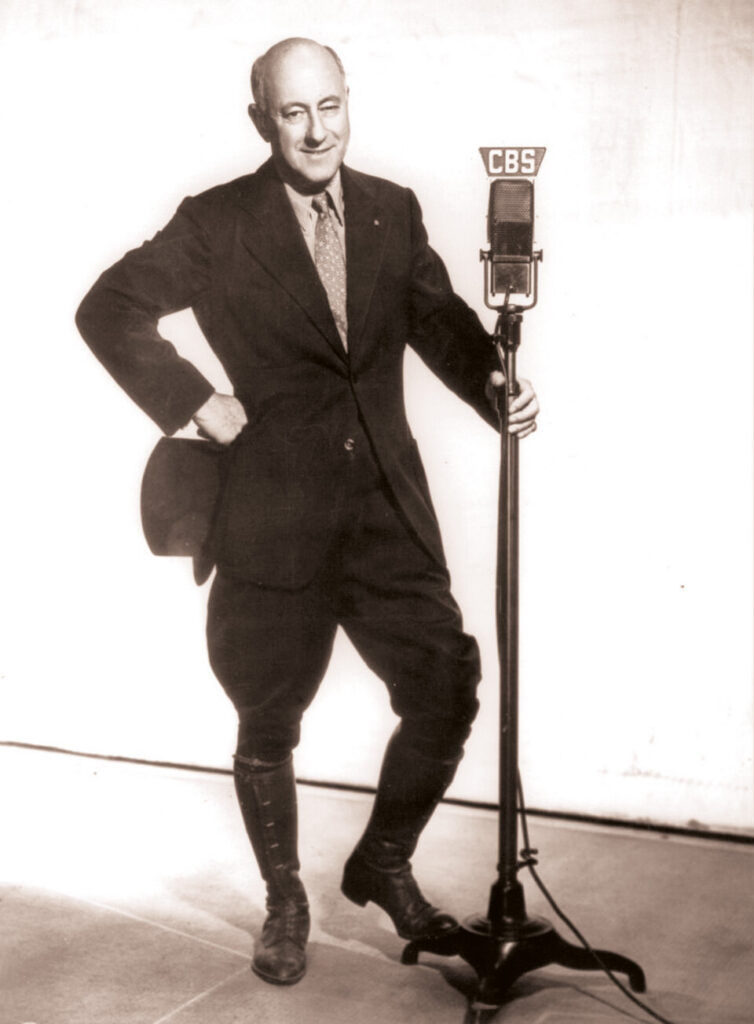
No one made biblical epics bigger than Cecil B. DeMille. After being raised a Mason in 1921 at Prince of Orange № 16 in New York, he became one of Hollywood’s towering personalities, directing such classics as The Ten Commandments and The Greatest Show on Earth.
Douglas Fairbanks (1883–1939)
Actor, Producer
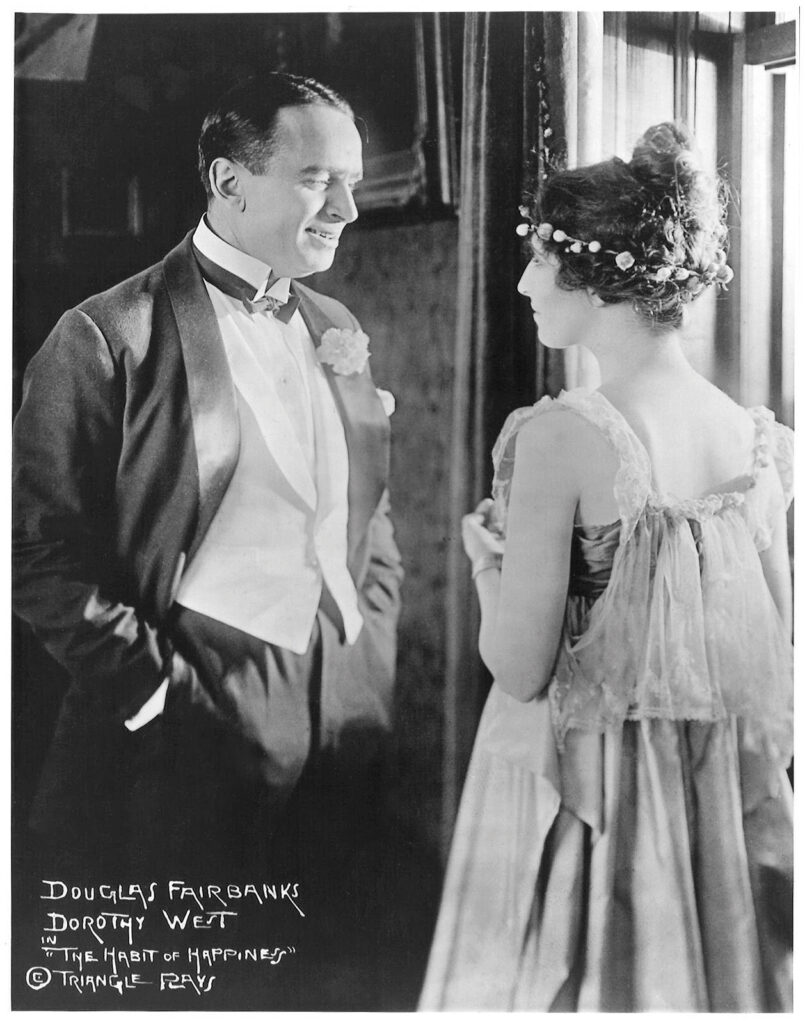
Athletic, charismatic, and impossibly charming, Douglas Fairbanks practically invented the action hero. Whether swinging from castle walls in Robin Hood or fencing his way through The Mark of Zorro, he made adventure look effortless. A member of Beverly Hills № 528 and the 233 Club—whose members were Freemasons in the movie industry—he also helped found the Academy of Motion Picture Arts and Sciences.
Oliver Hardy (1892–1957)
Actor, Comedian
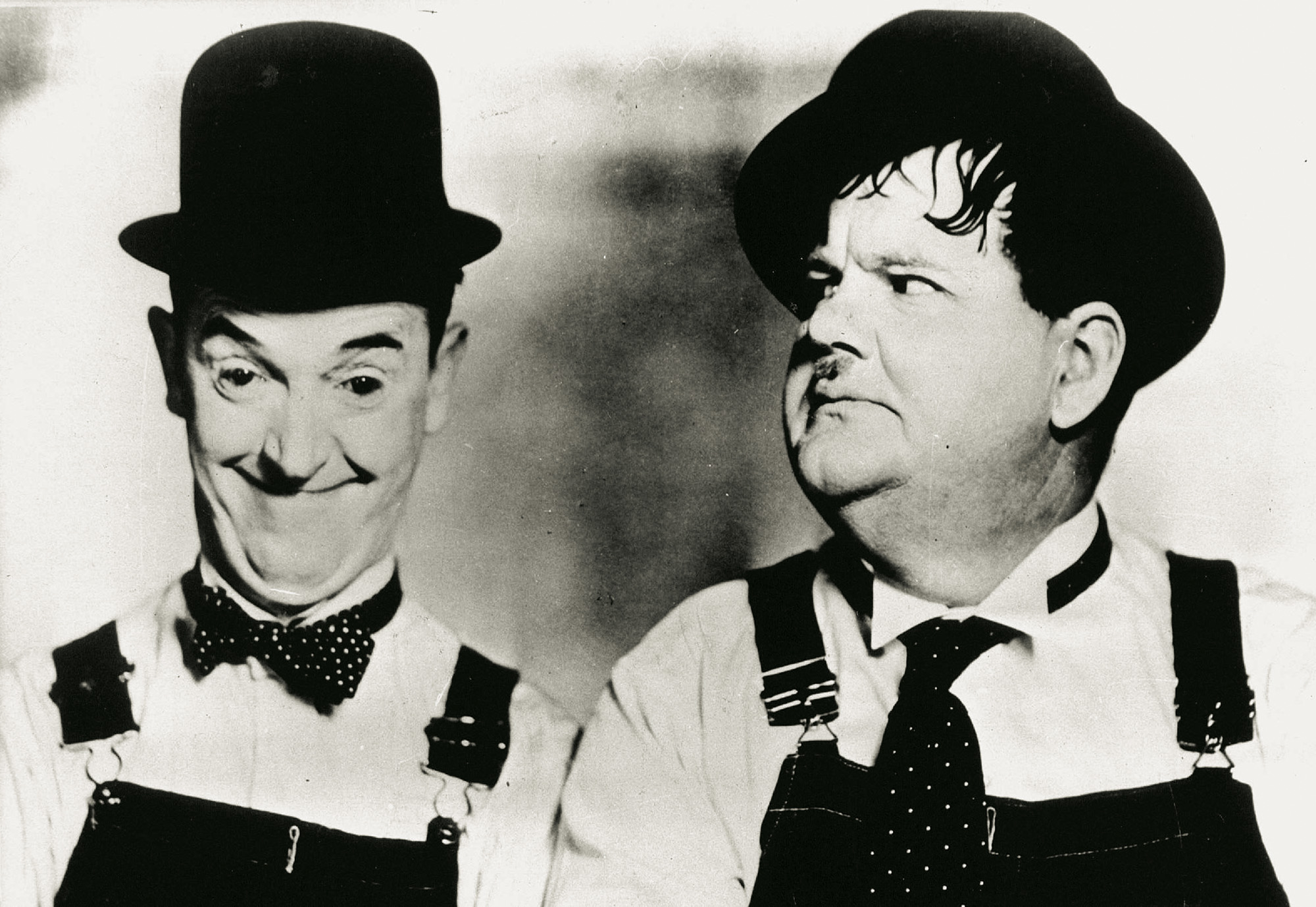
Before becoming one half of Laurel and Hardy, Oliver Hardy worked as everything from a projectionist to a theater manager. Raised a Mason in Solomon № 20 in Jacksonville, Florida, he brought impeccable comic timing to one of Hollywood’s most enduring comedy duos, proving that sometimes the funniest man in the room is the one saying the least. Hardy’s Masonic membership was publicly acknowledged during a 1954 television appearance on This Is Your Life, and after his death in 1957, his ashes were interred in the Masonic Garden at Valhalla Memorial Park in North Hollywood. In 1977, a plaque at his gravesite was placed by members of Sons of the Desert № 226 (now consolidated with San Mateo № 872 to create Sons of the Desert № 872).
Harold Lloyd (1893–1971)
Actor, Producer
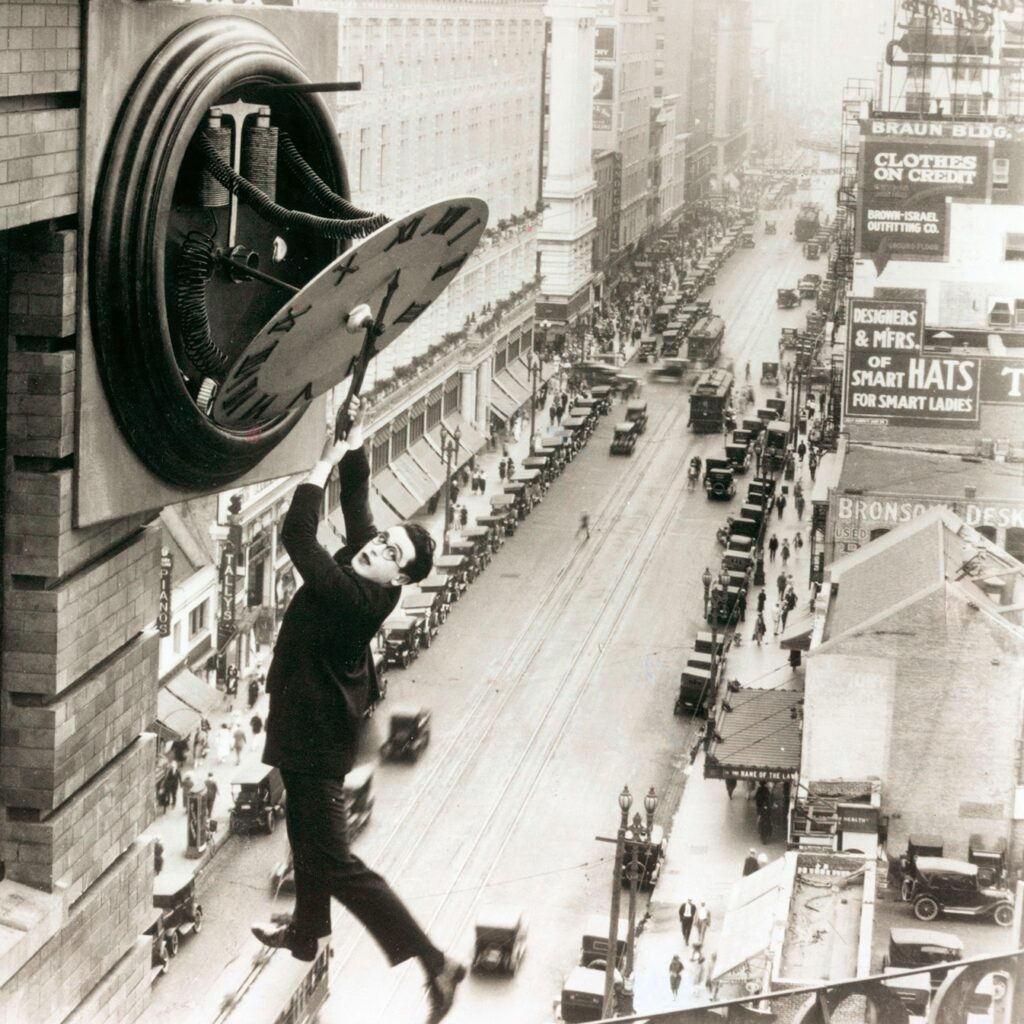
That famous image of Harold Lloyd dangling from a clock over downtown Los Angeles? He performed the stunt himself—despite having lost two fingers years earlier in a prop explosion. A member of Alexander Hamilton № 535, he also served as Imperial Potentate of the Shrine in 1949, elected President of the Shriners Hospital Corporation in 1963, and became Chairman of its Board of Trustees. Lloyd was one of silent cinema’s biggest stars while supporting hospitals, charities, and civic organizations throughout Southern California.
Bud Abbott (1895–1974)
Actor, Comedian
Bud Abbott made getting laughs look easy. As the steady half of Abbott and Costello, he led one of comedy’s greatest routines, “Who’s on First?” A Shriner and active member of Daylight № 525 in Michigan, Abbott helped define American comedy through impeccable timing rather than punchlines.
Clark Gable (1901–1960)
Actor
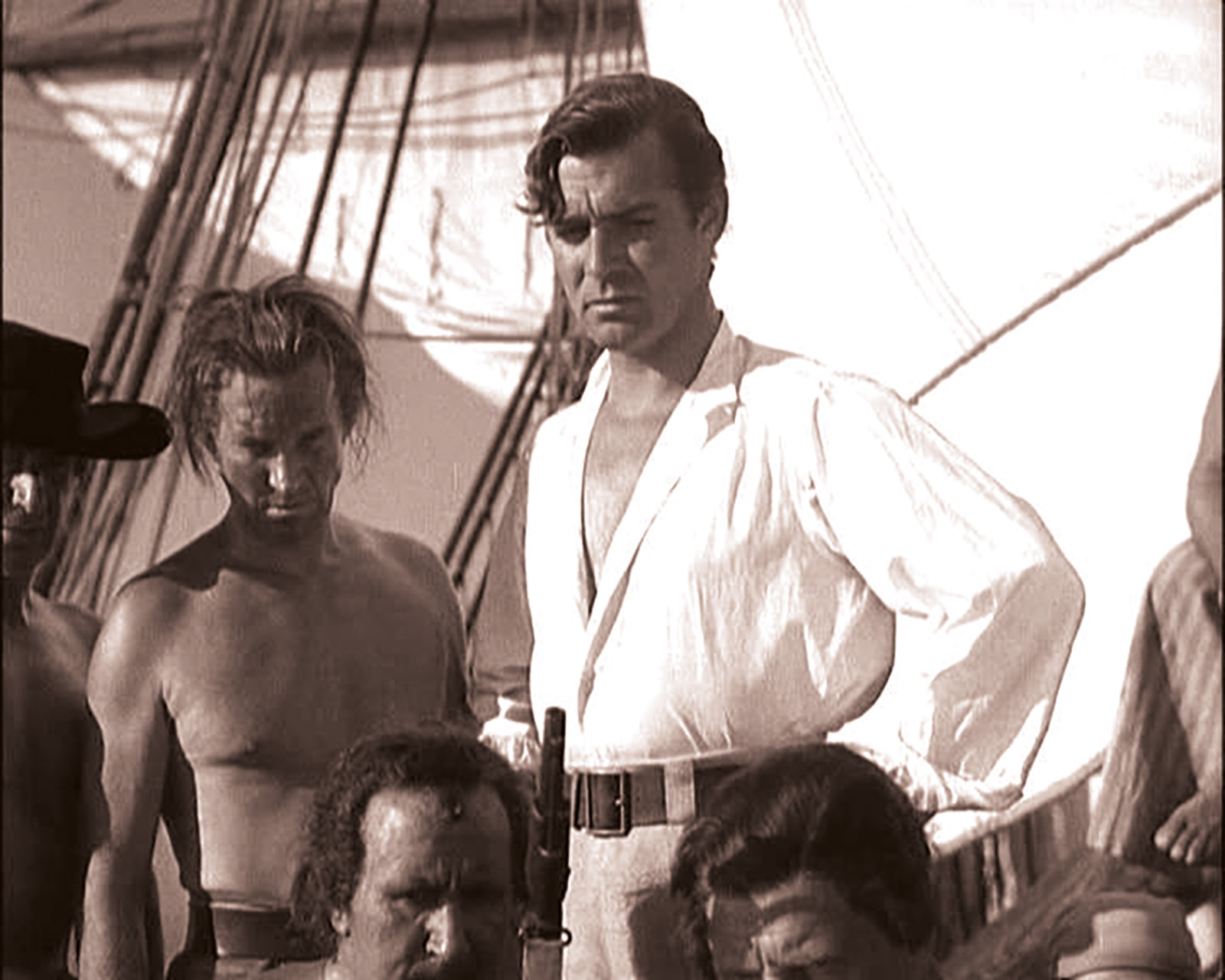
He was known as the King of Hollywood— and audiences agreed. Clark Gable won an Academy Award for It Happened One Night before cementing his legend as Rhett Butler in Gone with the Wind. Raised in Beverly Hills № 528, Gable was known to slip away from celebrity life to enjoy the private fellowship of the lodge.
Paul Robeson (1898–1976)
Actor, Singer, Activist
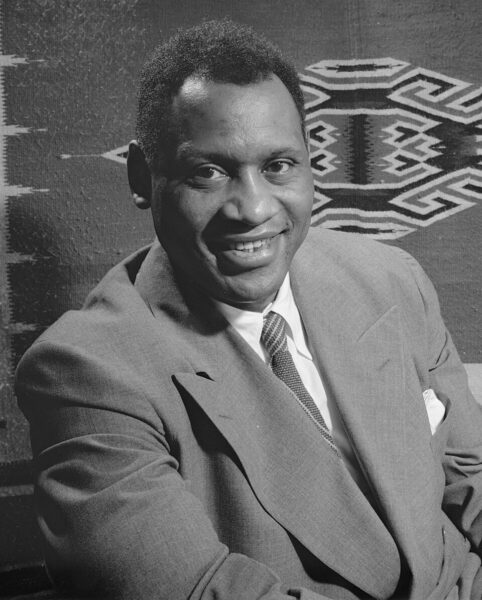 Before becoming one of the twentieth century’s most influential activists, Paul Robeson was among its first internationally celebrated Black screen stars. A towering performer with a commanding bass-baritone voice, he appeared in films including The Emperor Jones and Show Boat, bringing dignity and depth to roles at a time when opportunities for Black actors were severely limited. Made a Prince Hall Mason at sight at Hiram № 19 in New York City, Robeson paired his artistic achievements with an unwavering commitment to civil rights and social justice, believing that service extended well beyond stage or screen.
John Wayne (1907–1979)
Actor
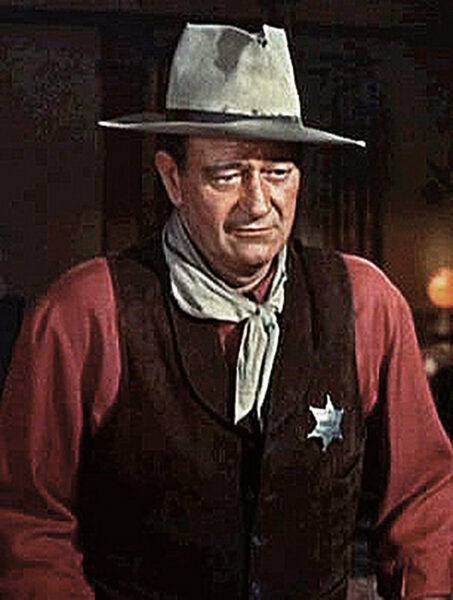 From Stagecoach to True Grit, John Wayne embodied the American West for more than four decades. Wayne’s father was a Mason, and after enrolling at the University of Southern California, Wayne joined the Glendale DeMolay chapter. In 1970, he was raised in Marion McDaniel № 56 in Arizona, later joining the York Rite, Al Malaikah Shrine Temple, and the Scottish Rite. He maintained close ties to California throughout his career and was often remembered by fellow Masons as surprisingly reserved away from the cameras.
Gene Autry (1907–1998)
Actor, Singer, Businessman
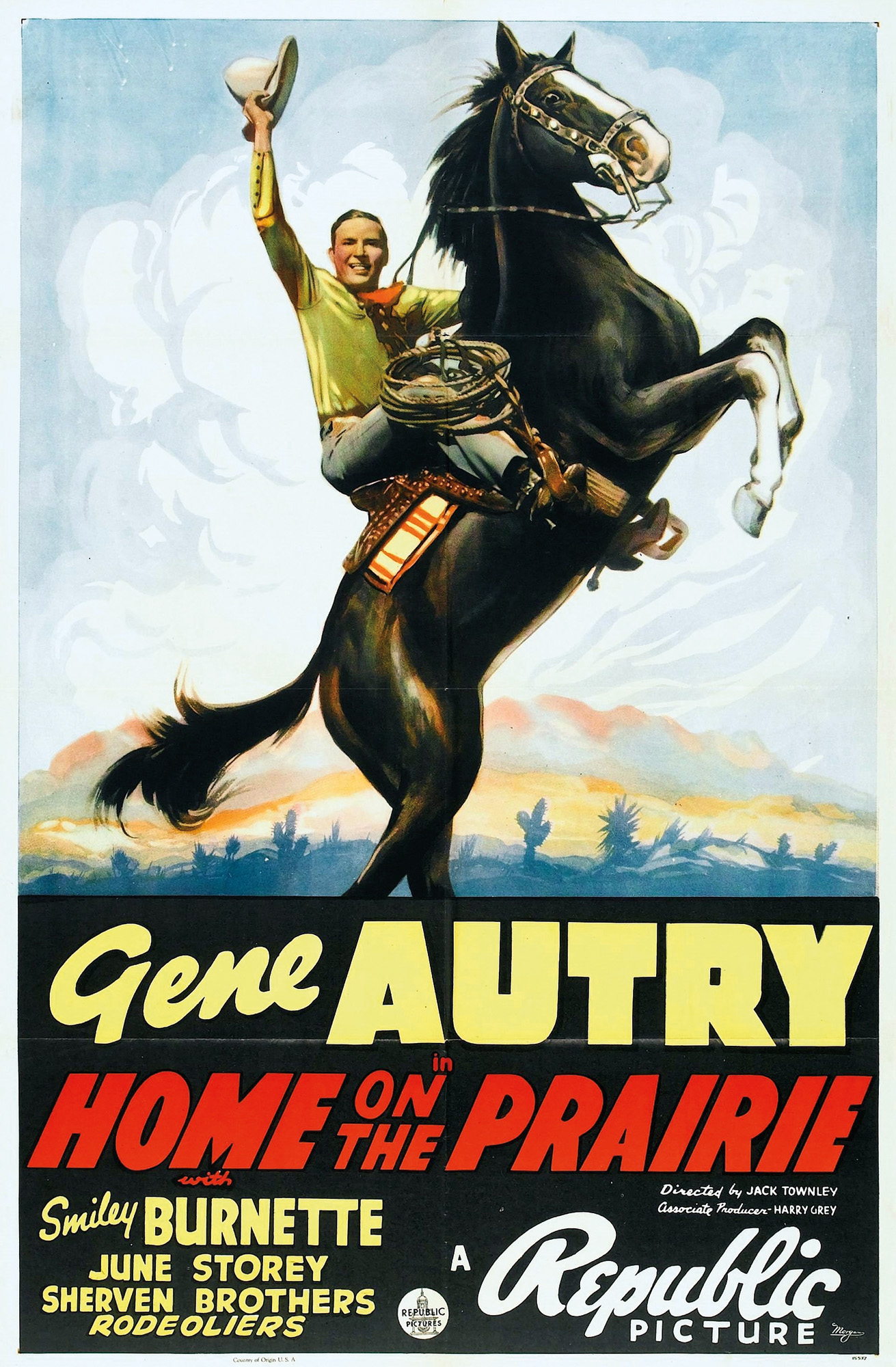
The original singing cowboy rode from movie screens onto radio airwaves and record players—and eventually into the owner’s box at Angel Stadium. A member of Catoosa № 185 in Oklahoma, Gene Autry starred in nearly 100 films before becoming the longtime owner of the California Angels baseball franchise.
Mel Blanc (1908–1989)
Voice Actor
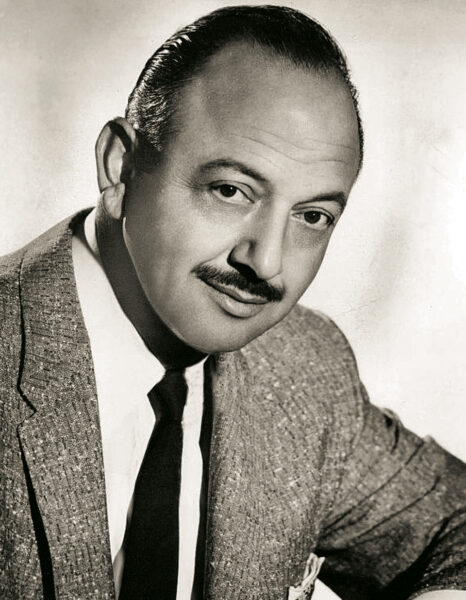 If Bugs Bunny, Daffy Duck, Porky Pig, or Yosemite Sam sounded familiar, chances are you know the sound of Mel Blanc. Known as the Man of a Thousand Voices, Blanc narrated Saturday morning fun for generations of Americans. He joined Sunnyside Chapter of DeMolay in Portland, Oregon, and was later raised in Mid-Day № 188, joined the Scottish Rite of LA, and the Al Malaikah Shrine Temple. His trademark sign-off? “Th-th-th-that’s all, folks!”
Roy Rogers (1911–1998)
Actor, Singer
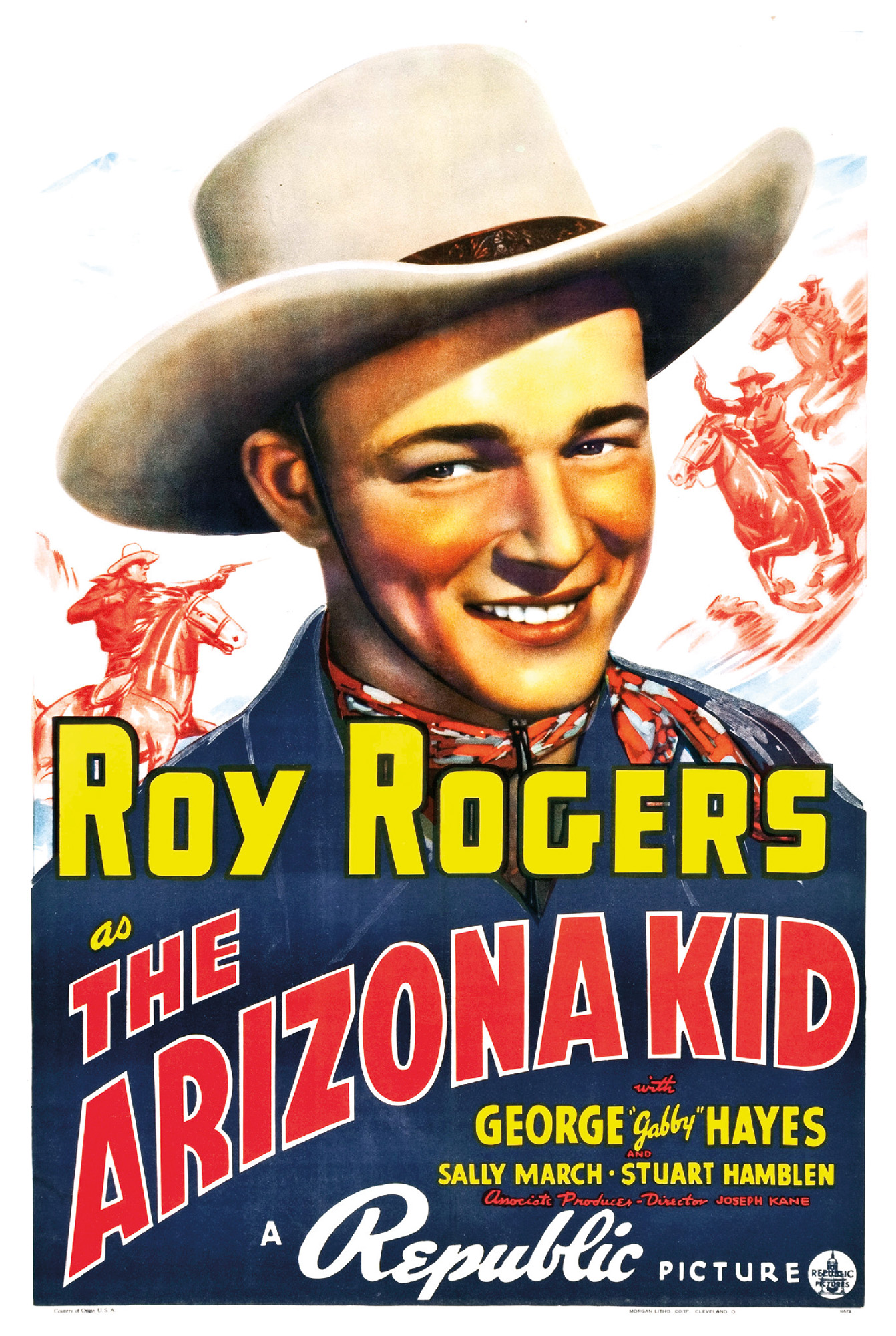
If Gene Autry was the original singing cowboy, Roy Rogers became the King of the Cowboys. Alongside Trigger—his famously intelligent palomino horse—he appeared in more than 100 films and television episodes. Rogers was an active Shriner and a member of Hollywood № 355, making the fraternity well represented in cinema’s Western saddle. He was a member of Al Malaikah Shrine Temple and awarded the Scottish Rite 33rd Degree in 1975.
Glenn Ford (1916–2006)
Actor
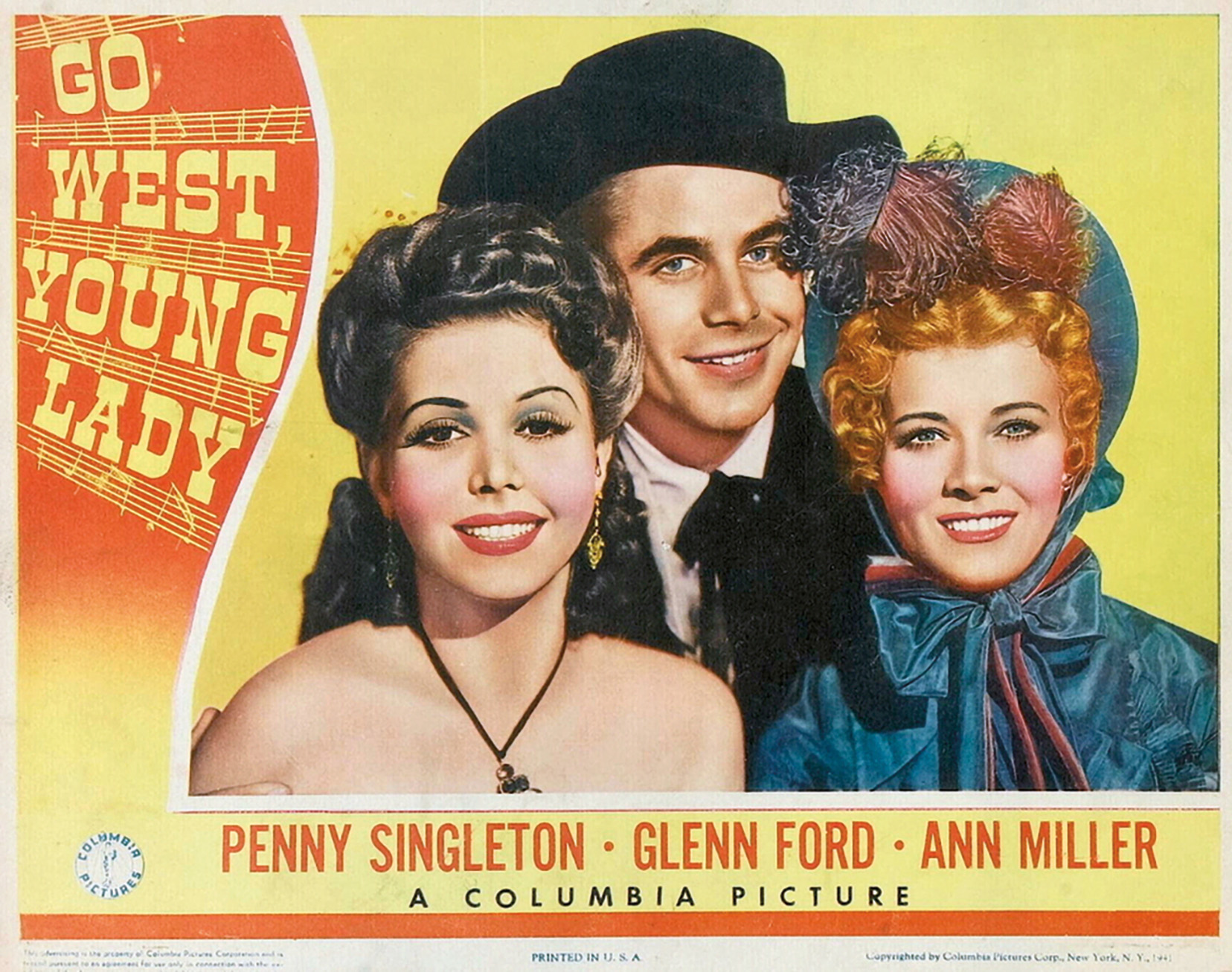
Few actors made versatility look so effortless. Glenn Ford moved comfortably between noirs (Gilda), Westerns (3:10 to Yuma), war films, and dramas (Blackboard Jungle), becoming one of Hollywood’s most dependable leading men. A California Mason who maintained dual memberships with Palisades № 637 (now Santa Monica-Palisades № 307) and Riviera № 780, he amassed one of the busiest résumés of the studio era.
Nat King Cole (1919–1965)
Singer, Pianist, Actor, Television Host
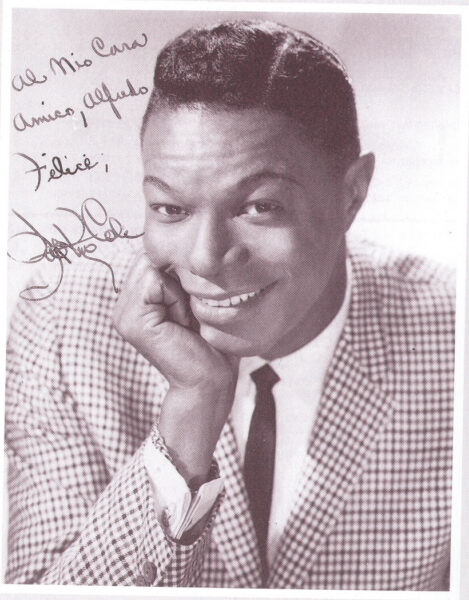 Long before becoming one of America’s most beloved recording artists, Nat King Cole won over audiences in Hollywood musicals and feature films with his effortless charm and unmistakable voice. A Prince Hall Freemason raised in Thomas Waller № 49 (named after fellow musician Fats Waller), Cole broke television barriers in 1956 with The Nat King Cole Show, becoming the first Black performer to host a nationally broadcast variety series, paving the way for generations of entertainers. His smooth delivery made classics like “Unforgettable” timeless—and his influence proved just as enduring.
Alex Haley (1921–1992)
Author, Screenwriter, Journalist
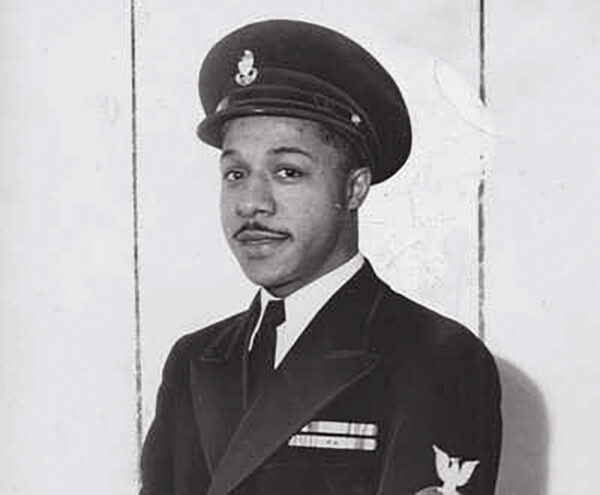 Alex Haley transformed American storytelling with Roots, the Pulitzer Prize–winning family saga that became one of the most watched television events in history. A prominent 33° Prince Hall Mason, Haley spent years researching his family’s history before bringing it to millions through the landmark 1977 miniseries, forever changing how audiences understood genealogy, slavery, and the American experience. His work demonstrated that some of Hollywood’s most powerful stories begin not on a soundstage, but in the search for one’s own roots.
Don Rickles (1926–2017)
Comedian, Actor
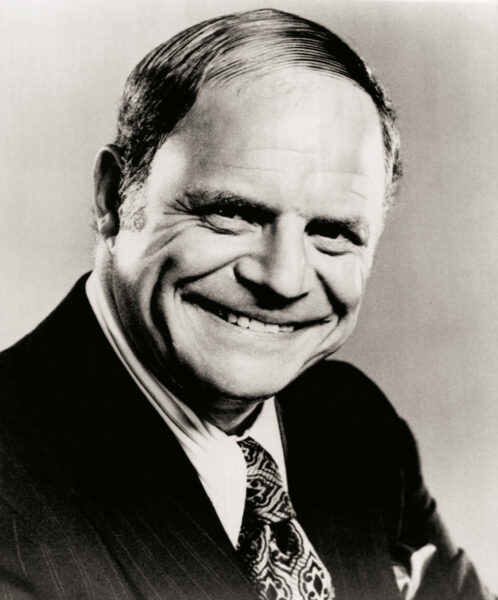 The Merchant of Venom made a career out of playful insults that somehow left audiences smiling. Whether roasting celebrities in Las Vegas or voicing Mr. Potato Head in some of Pixar’s Toy Story films, Rickles proved sharp wit never goes out of style. Behind the barbs was a proud Freemason—raised at Service City Geba № 1009 in Astoria, New York—who was known for deep loyalty to his friends.
Richard Pryor (1940–2005)
Comedian, Actor, Writer
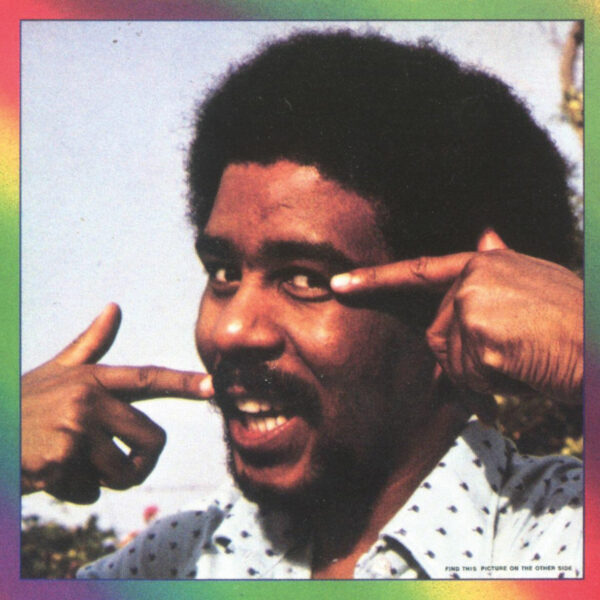 Richard Pryor changed the course of American comedy with fearless, deeply personal stand-up that influenced generations of performers. His success carried to the screen in films including Silver Streak, Stir Crazy, and The Toy, making him one of Hollywood’s most bankable comedic stars of the 1970s and ’80s. Widely reported to have been a Prince Hall Freemason at Henry Brown № 22 (sometimes cited as № 42) in Peoria, Illinois, Pryor brought the same candor, humanity, and wit to his life offstage.
Shaquille O'Neal (B. 1972)
Athlete, Actor, Producer, Entertainer
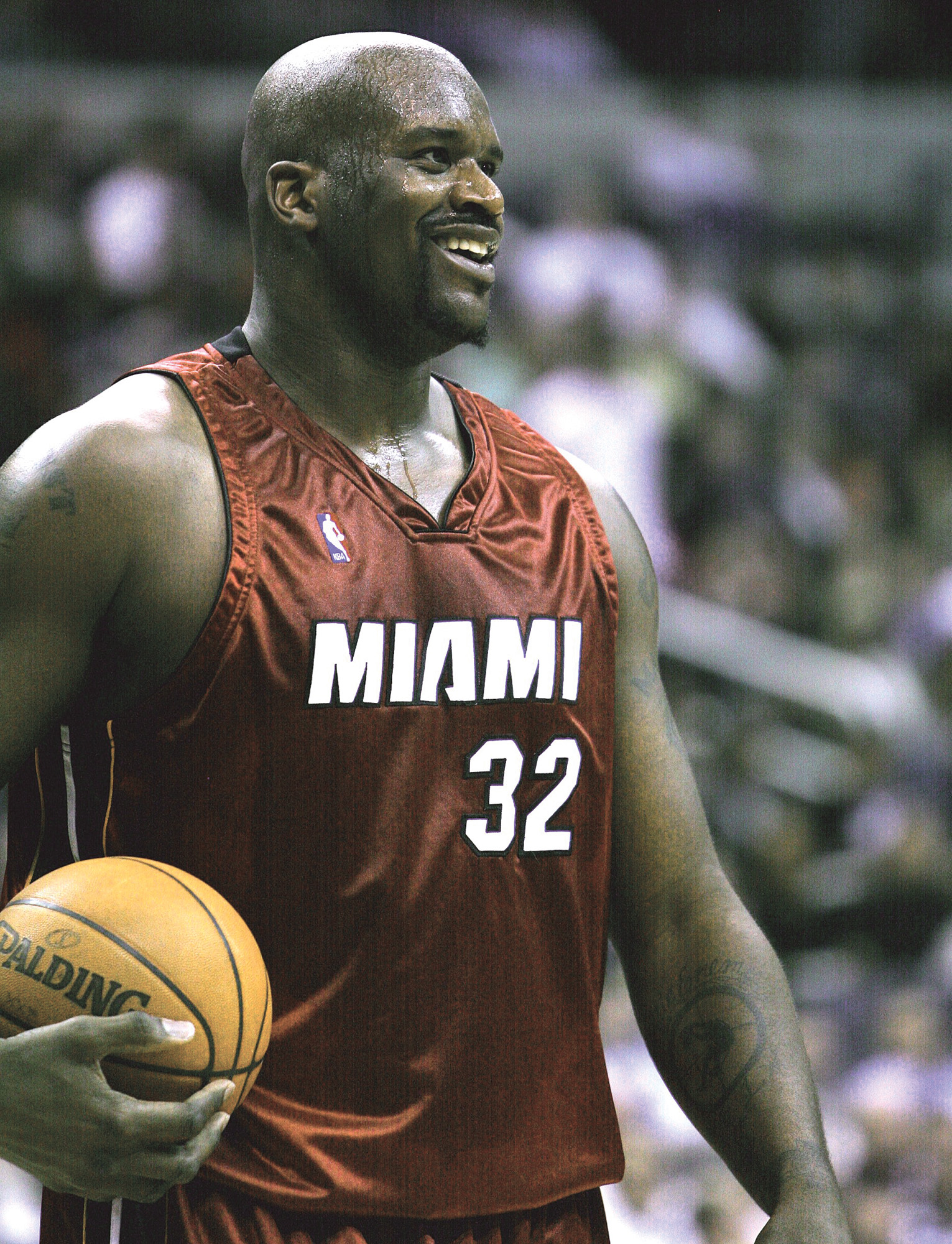
Basketball made Shaquille O’Neal a household name, but movies, television, producing, and broadcasting have kept him in front of audiences ever since. Made a Prince Hall Freemason at sight in 2011, he belongs to Widow’s Son № 28 in Boston. O’Neal frequently credits the fraternity with reinforcing the importance of service, mentorship, and lifelong learning. Chances are he’s the tallest Mason in any lodge room.