For veterans, every mission has a team. Civilian life should be no different.
By: Jeanette Yu
Military service prepares people for a mission: a chain of command, a shared vocabulary, and a unit whose members understand one another—often without explanation. Then service ends. The uniform comes off, the calendar opens, and a simple question becomes unexpectedly difficult: What now?
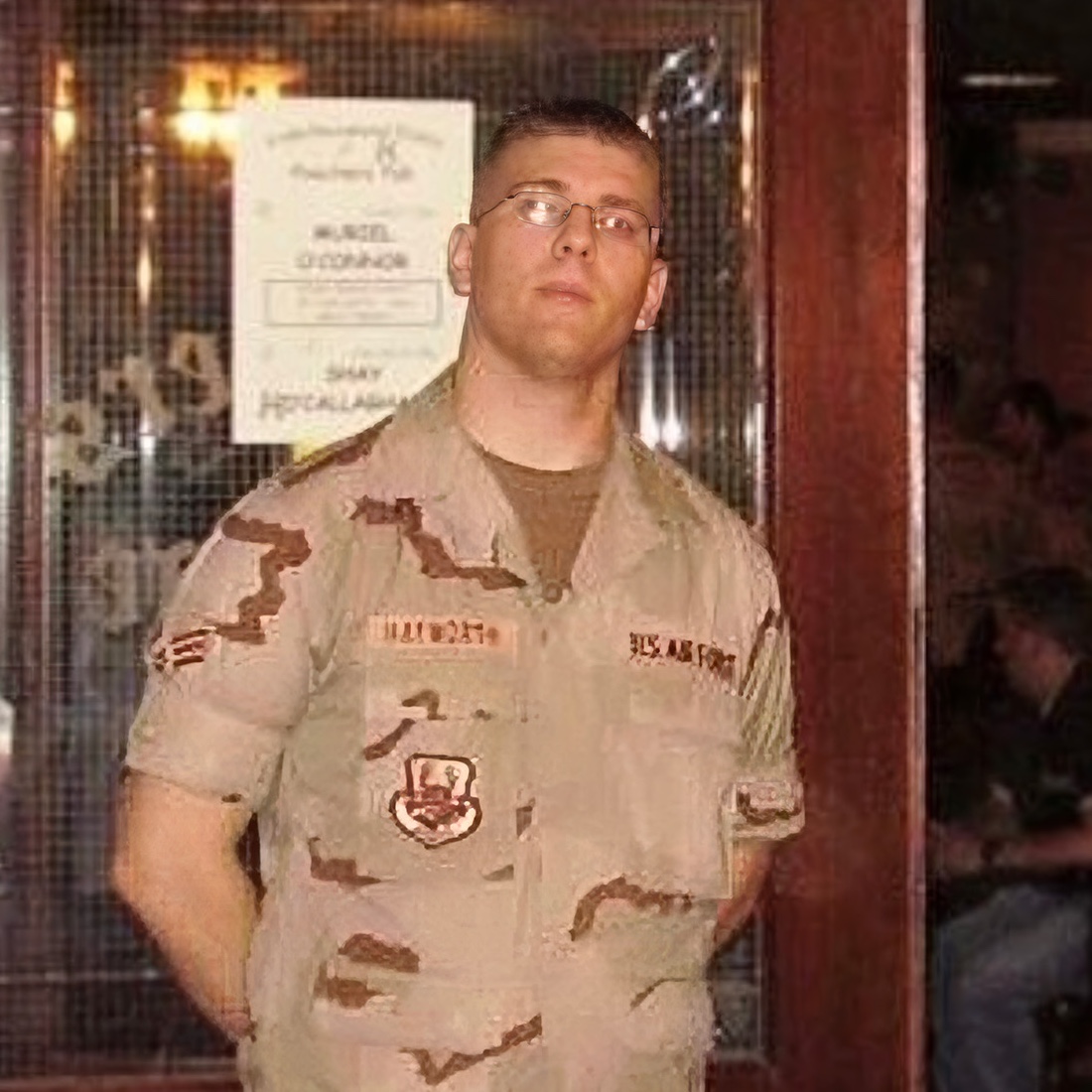
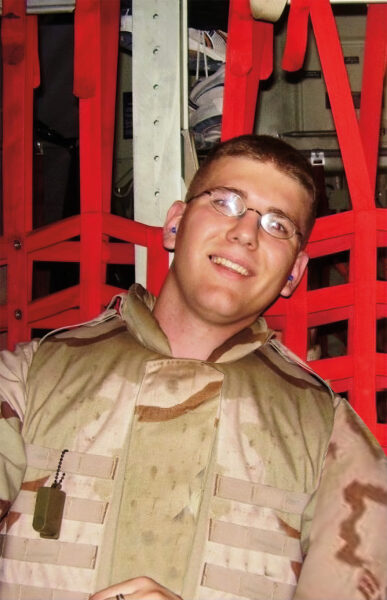
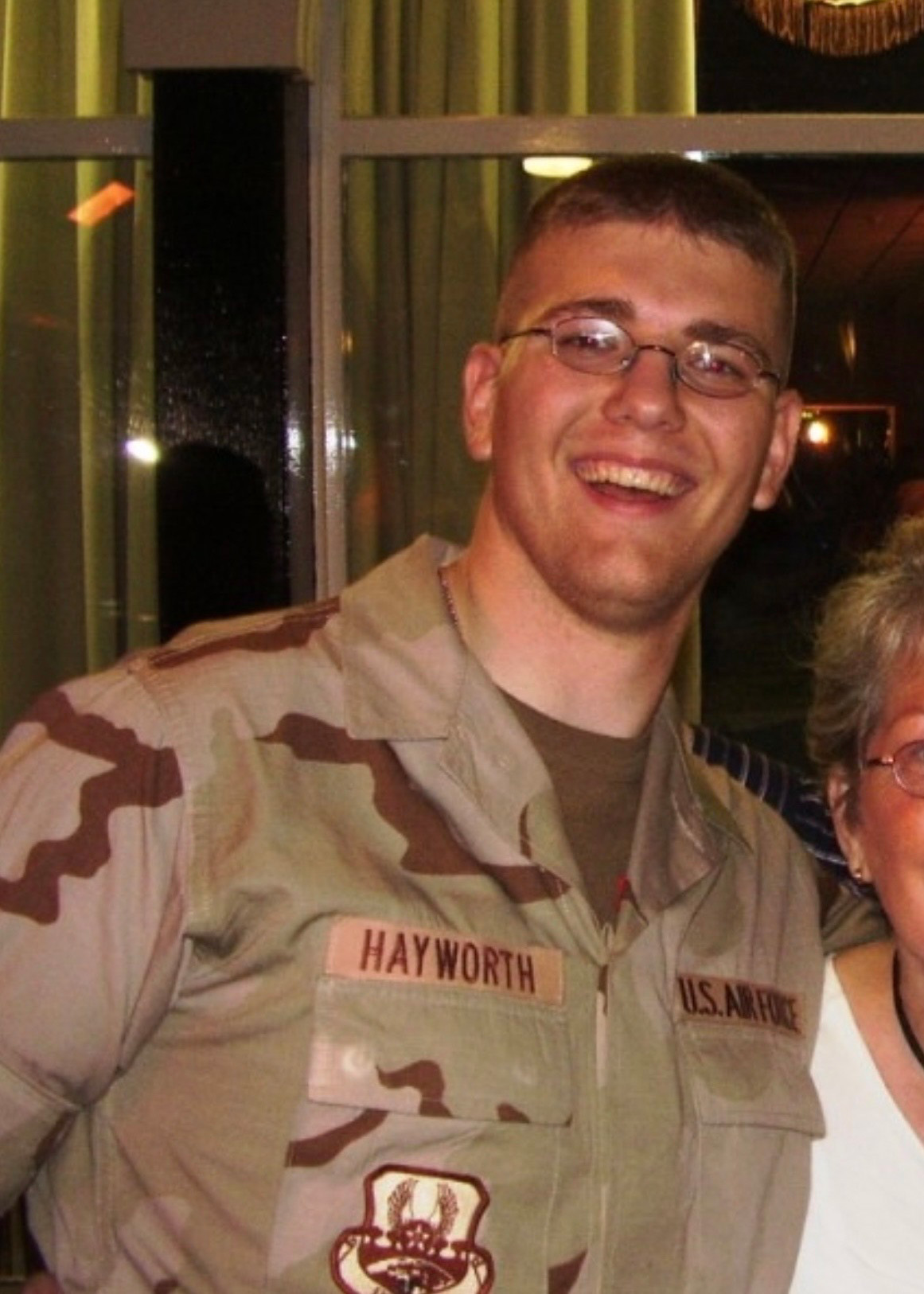
Nicholas Hayworth just before his 2006 deployment to Balad Air Base, Iraq.
For many veterans, coming home is not a single event but a long adjustment. Pride in service can coexist with longing for military life; joyful reunions with frustration or distance. Habits that once conveyed competence and readiness may not translate neatly to a household, workplace, or conversation with an old friend. Each year, the US Department of Veterans Affairs (VA) estimates, roughly 200,000 service members return to civilian life.
None of those contradictions necessarily points to a diagnosis. Most service members readjust successfully, the VA notes. Even so, a February 2026 VA brief found that 26 percent of veterans overall—and 48 percent of the post-9/11 cohort—described a difficult transition, citing problems at work or school, strained relationships, and the loss of community, identity, and purpose.
“Military service is such a meaningful and defining time in many people’s lives that the feelings connected to it don’t just disappear when it’s over,” says Janine Heisler, a therapist and clinical director with the Masonic Center for Youth and Families (MCYAF). Pride can coexist with grief; relief with longing. “They can all be true at the same time.”
The goal is not to erase the military chapter, but to discover where it belongs in the life still being writ-ten. Sometimes that begins with recognizing that nothing is “wrong”—only that life feels unfamiliar.
Counseling is not only for crisis, Heisler says. “Just putting words to what you’ve been through and having someone truly listen can be incredibly meaningful.” It can help veterans “weave their experiences into the story of who they are.”
New Orders
Military life has its own language. Veterans often feel most understood by those who share “an intense sense of community, purpose, and structure,” says MCYAF therapist and senior director Lisa Goodwin. Among combat veterans, peers may better under-stand “the danger faced, and the life-saving trust formed within a unit.” With family, the same story may require translation—or feel too burdensome or difficult to explain.
Home has changed, too. During a deployment, partners develop routines, children grow, and roles shift. There may be no old arrangement to restore. “Families often adapt to a veteran’s absence and may find it difficult to return to previous roles and responsibilities,” Goodwin says. Reunification requires “patience, flexibility, and compassion from everyone involved.” Couples or family counseling offers a place to work on that transition together. It can help families “rebuild trust, clarify changed roles, and improve communication,” Goodwin says, while giving everyone room to express their needs and practice new responses. A spouse says, “I had to learn how to handle every-thing alone.”
A veteran hears, “There is no place for you here.” A veteran says, “You wouldn’t understand.” A loved one hears, “I don’t trust you.” Goodwin helps couples slow the exchange and find the need beneath the defense: “I want you to understand, but I’m afraid it will be hard to explain.” Curiosity rather than correction, she says, creates empathy, safety, and a more honest exchange.”
Heisler recalls a veteran who argued with his wife over their messy home. His frustration seemed dis-proportionate: He had never been especially orderly before military service. Eventually he realized that military structure had become tied to his sense of safety. Once he could explain that—and ask for what he needed without anger—his wife understood his reaction differently, and their conversations changed.
Learning to Listen
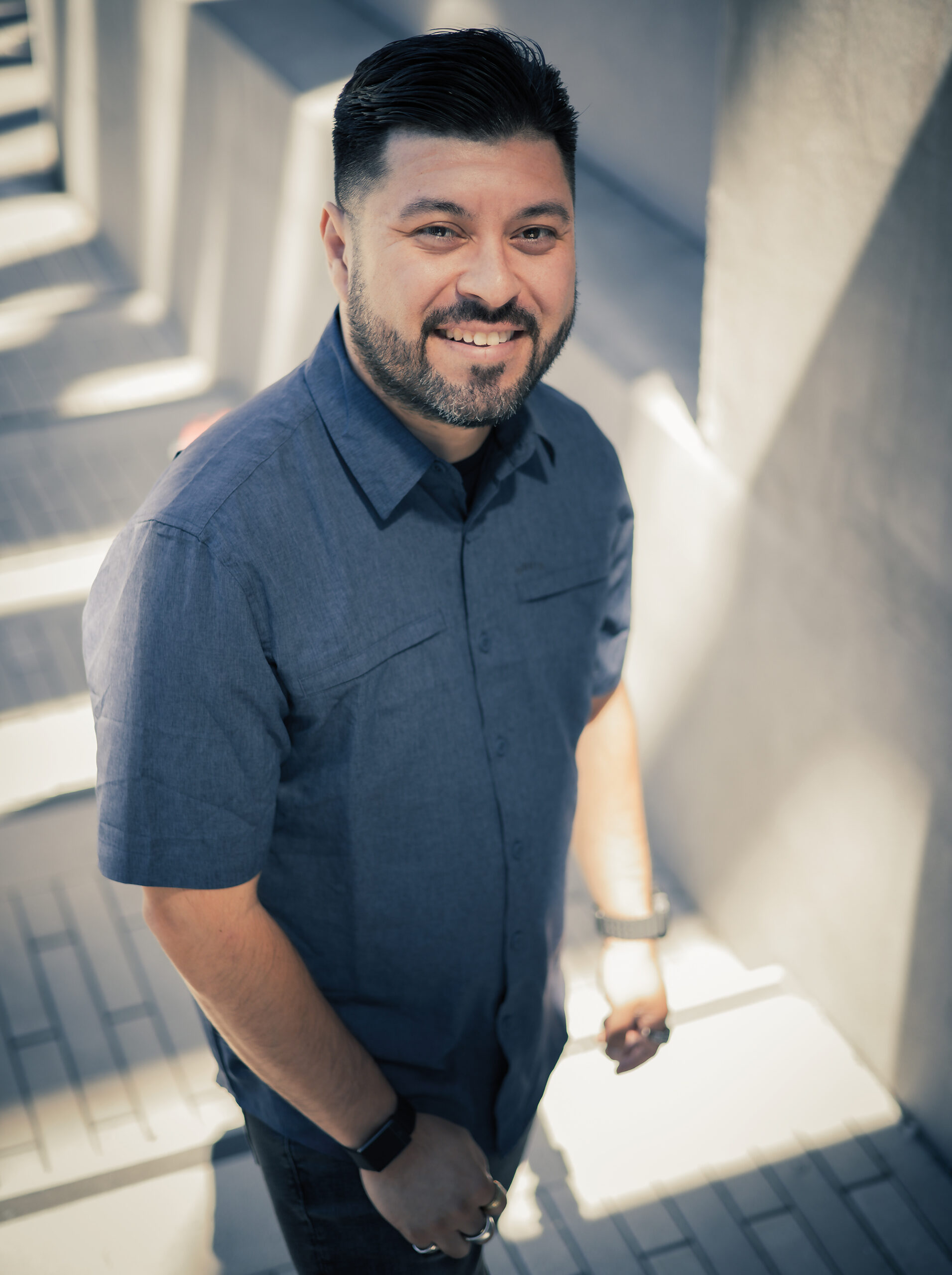
For Nicholas Hayworth, a veteran and member of Academia № 847, the transition unfolded through “a collection of small moments.” One still stands out: hearing his first name. Accustomed to answering only to his last, he would hear “Nick!” and not realize someone meant him. “A few seconds would pass before I’d think, Wait … that’s my name.”
“It seems like such a small thing,” he says, but it showed how deeply military life had shaped his identity. “I wasn’t just changing jobs. I was relearning who I was outside of the uniform.”
What Hayworth missed most wasn’t routine, but shared purpose. “You know why you’re there, what you’re working toward, and how your role fits into the bigger picture,” he says. “There’s a quiet understanding between people, and an unspoken trust that everyone will carry their weight.” Civilian life rarely offers that collective momentum.
Some people want to talk immediately; others need time. Many find comfort in fellow veterans, lodge friendships, family, faith, or service. The VA recommends peer support and reconnecting veter-ans with family and community. Hayworth under-stands the delay. “The hardest thing to explain was how numb I felt,” he says. “It was difficult to explain the emotional light-switch I had to turn off, and I had forgotten how to turn it back on afterward.”
The question is not whether someone is “strug-gling enough,” but whether life, work, sleep, or rela-tionships have become harder than they need to be.
For Masons, a culture of self-command and service can make asking for help feel unfamiliar. “It took a while for me to understand that asking for help wasn’t weakness,” Hayworth says. “The more I talked about my experiences, the easier it got. Not necessarily easy … just easier.” Accepting support may be one of resilience’s clearest expressions.
Freemasonry didn’t replace the military for Hayworth. It gave him another place to live the values that mattered to him—and new forms of service, fellowship, and purpose. “Freemasonry was like a home I had never been to before, with family I hadn’t met yet,” he says.
Mentoring newer members, serving in lodge leadership, and sitting with Masons who cared for one another reminded Hayworth that he still had something to offer. “I finally felt like I had found my purpose.”
The Next Chapter
There is no single path forward. Some veterans begin over coffee with a peer; others start at home, with a question long avoided. Sometimes the first—and hardest—step is reaching out. “You don’t have to be in crisis to benefit from therapy,” says Jodi Mikel, director of program development and compliance at MCYAF. “If something is affecting your well-being or keeping you from living the life you want, it’s worth talking about.”
That contact can begin with a call or an online request. At MCYAF, an intake coordinator follows up to understand each person’s needs, answer questions, verify insurance when applicable, and discuss in-person or telehealth care. “Our goal is to make the process as welcoming and stress-free as possible while prioritizing timely access to care,” Mikel says. “We start by listening.”
The clinician explores the concerns, goals, and relationships involved. Together, the client and clinician decide whether individual, couples, or family counseling is the best place to begin.
MCYAF offers individual, couples, family, and group therapy; trauma-informed care; psychological assessment; and educational therapy. Masonic Assistance can help members and families navigate resources. The invitation is simple: Begin with a conversation. “There’s no wrong reason for starting therapy,” Mikel says.
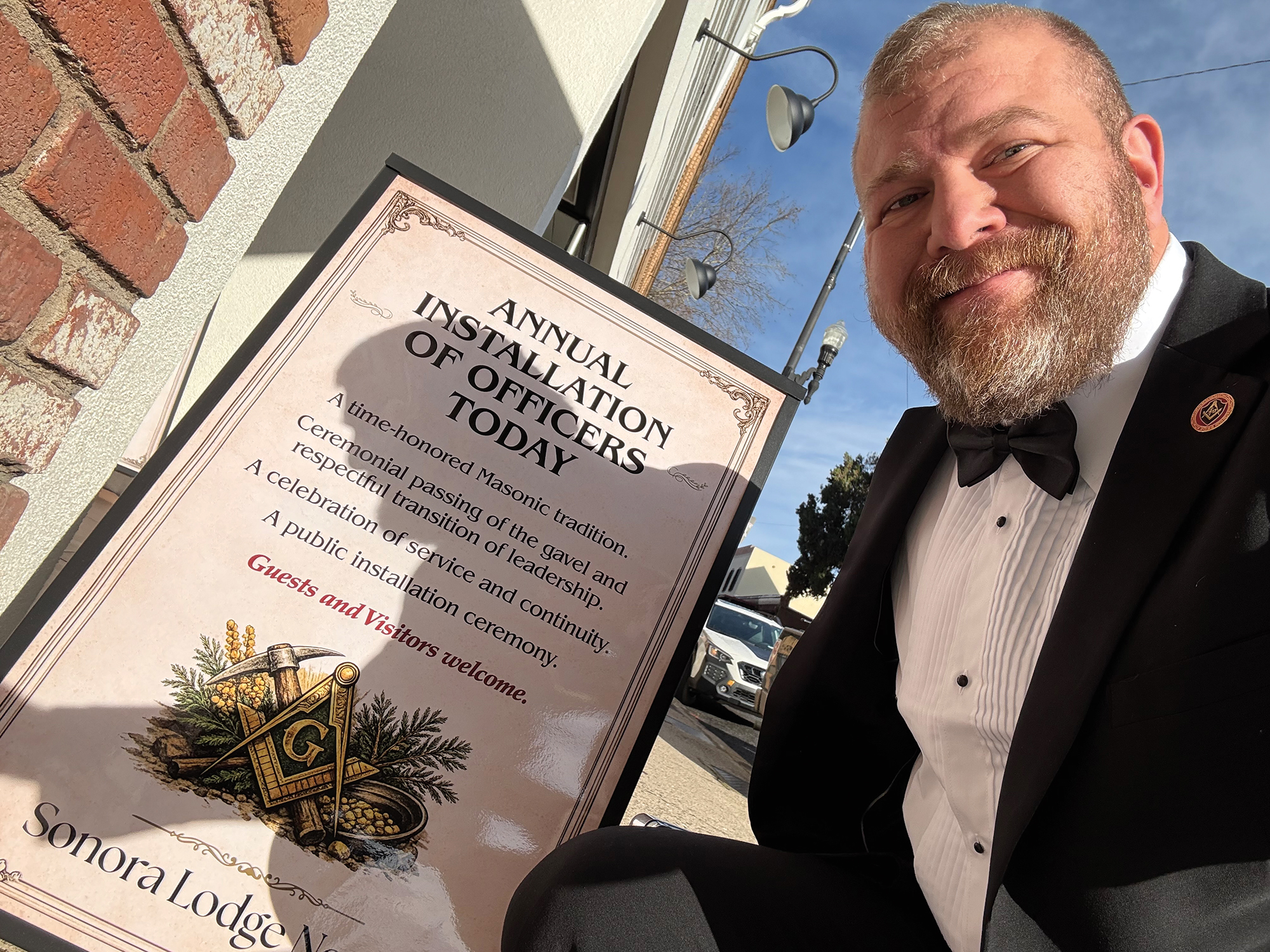
Hayworth at the installation of officers at Sonora № 887, where he was master of ceremonies, February 21, 2026
Hayworth wishes someone had told him that coming home would not be complete the day he stepped off base—and “that it was okay to grieve the person I was before my deployment—while also accepting the person I had become because of it.”
Therapy, family, and fraternity each helped. “Therapy didn’t erase what happened, but it helped me understand it,” he says. “Freemasonry showed me that I still had something meaningful to give.”
“There was never a way back,” Hayworth says. “The only thing waiting for me was the life I was meant to build next—and the courage to keep moving toward it.”
________________________
To learn more or begin a conversation, contact the Masonic Center for Youth and Families at (877) 488-6293 or visit mcyaf.org. MCYAF is not a crisis center. In an emergency, call 911. Veterans in crisis may call 988 and press 1, or text 838255.