

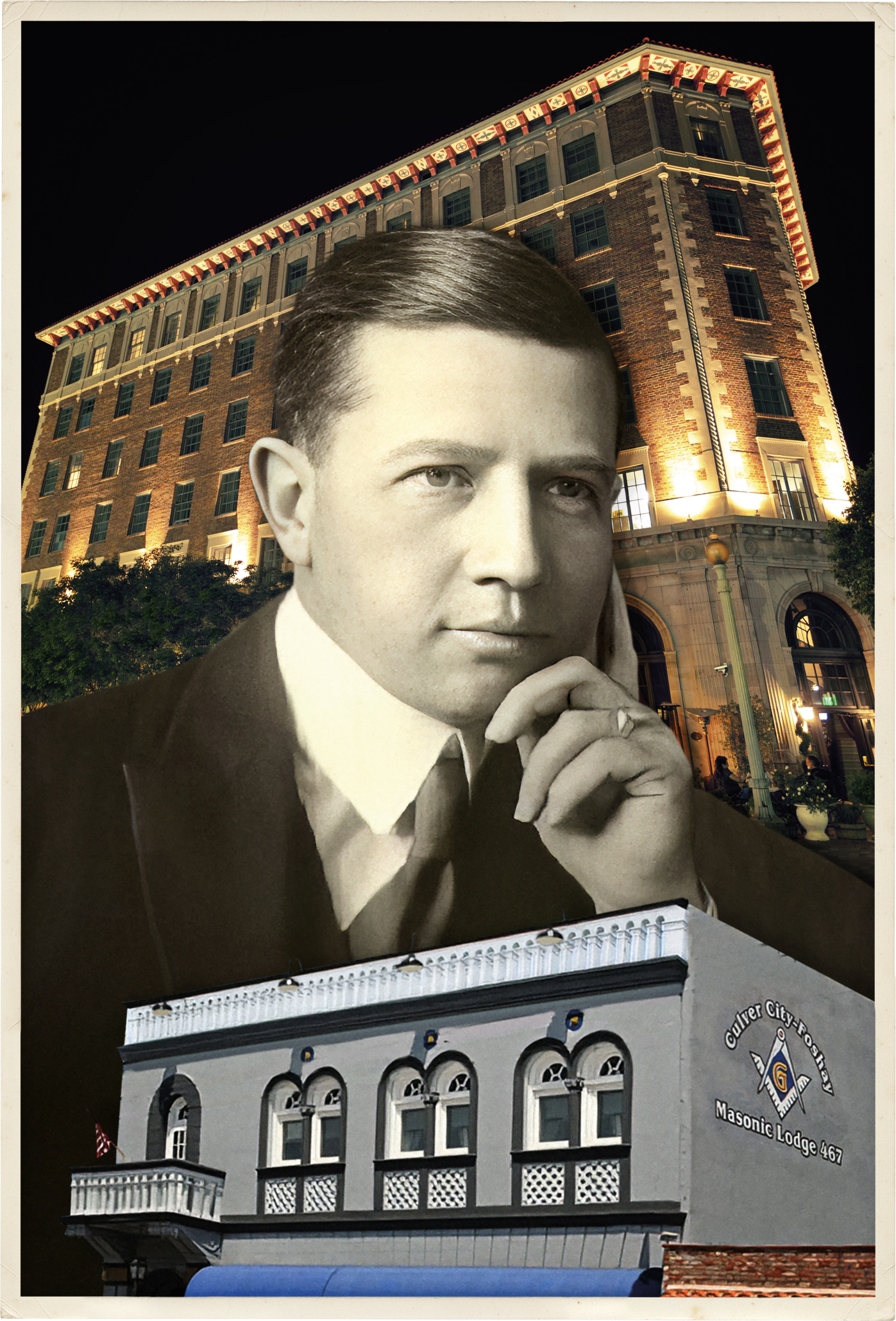
Harry Culver believed a city could rise from a barley field.
In 1913, the ambitious real estate developer purchased 93 acres between downtown Los Angeles and Abbot Kinney’s Venice Canals, laying out a new town around what would become the intersection of Main Street and Culver Boulevard. Four years later, his gamble paid off.
On September 20, 1917, Culver City officially incorporated. Just 16 days earlier, many of the same men who were shaping the new municipality had gathered for the first stated meeting of Culver City № 467. One community was being organized in council chambers, the other in a lodge room. From the beginning, their histories would be written together.
Among the lodge’s 20 charter members were Culver; merchant Louis Freeman, whose market became a fixture of the young downtown; businessman Dan Coombs, an investor in the famed Plantation Café; city administrator Charles Shillito; film electrician Reve Houck; and attorney Michael Tellefson. Shillito, Culver City’s first city clerk, became the lodge’s founding master.
Those men weren’t simply wit-nesses to the city’s birth. They were among its architects. As Culver promoted his namesake municipality’s growth, Coombs served on its first Board of Trustees, the forerunner of today’s city council. Houck later helped establish Culver City’s bus line before serving as both councilman and mayor. Tellefson became a longtime city attorney and administrator. Freeman’s whole-sale market supplied local restaurants—and, legend has it, even provided meat for Metro-Goldwyn-Mayer’s famous mascot, Leo the Lion.
Within walking distance of the city’s modest commercial district, movie studios began staking their claims. Thomas H. Ince opened Triangle Studios in 1915, followed by Culver Studios in 1918. Nearby, the lot that became Metro-Goldwyn-Mayer helped transform the fledgling town into one of Hollywood’s great studio capitals.
Just a few blocks from the city’s new civic center, Plantation Café became one of Southern California’s first celebrity hot spots. Mary Pickford and Douglas Fair-banks—a Mason—were regulars. Fellow Masons and movie heavy-weights Al Jolson and Jack Warner stopped in (see “Masons in Film,” page 32). Buster Keaton and Charlie Chaplin were known to dine there, and the café’s final investor, Fatty Arbuckle, often held court. In a remarkably short time, Culver City had become a place where civic ambition, Hollywood glamour, and Freemasonry all intersected. The lodge–city partnership quickly proved its worth. As Culver City grew from a small municipality into one of Southern California’s best-known communities, the lodge expanded along with it. The commitment to community was evident almost immediately: In 1919, lodge members and their families delivered food and supplies to households quarantined during the Spanish influenza epidemic.
A Shared Legacy
Over the decades, the lodge evolved alongside the city it helped build. In 1928, James Foshay № 641 was established in Culver City. Named for the 34th Grand Master of Masons in California, it merged with Culver City Lodge in the 1970s, forming today’s Culver City № 467.
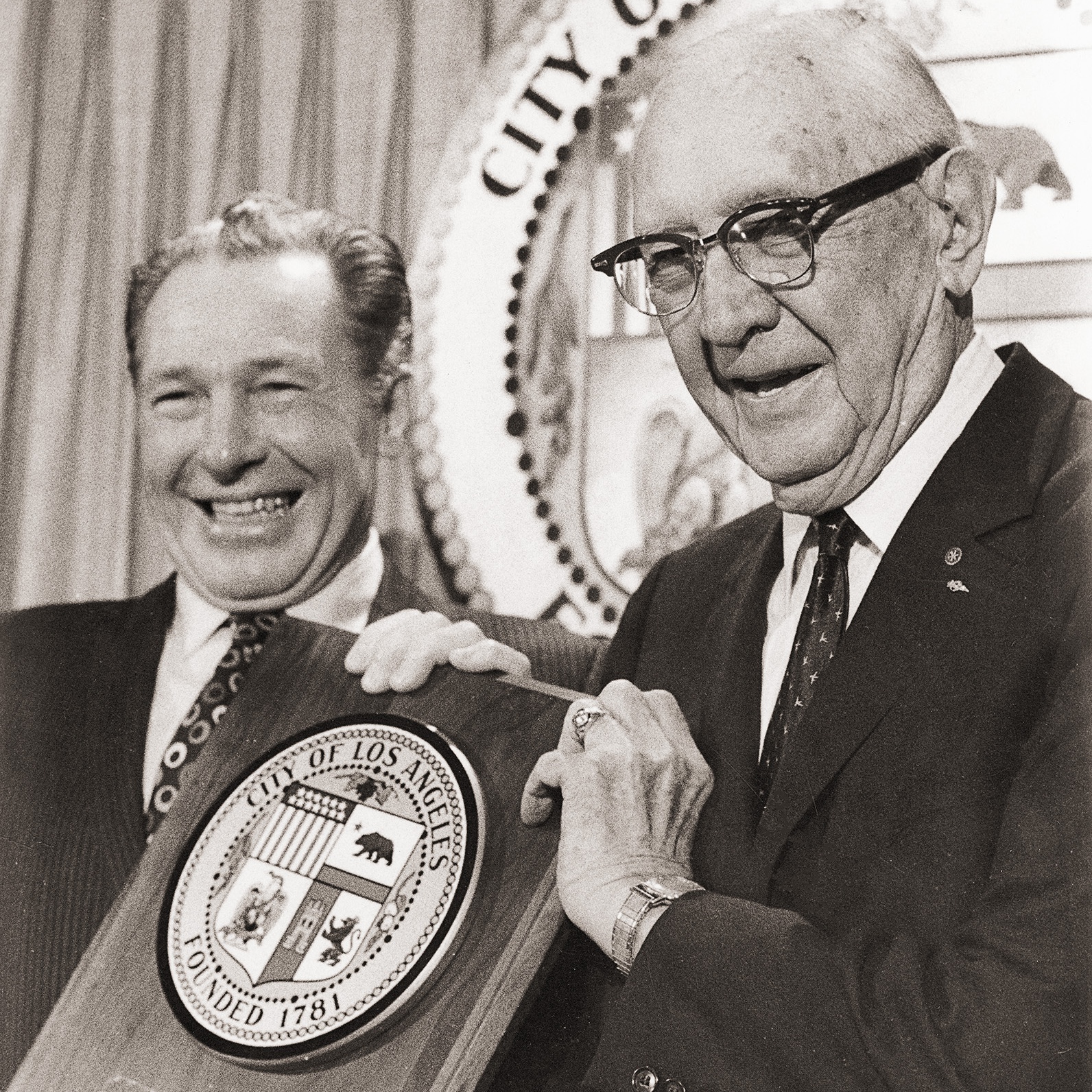
“All of the founding members of the city of Culver City were members of [what became] Foshay № 467,” says Jack Bommarito, president of the Culver City Historical Society. “There was a direct impact of their work and their ideals that all Masonry shares—hard work, belief in a higher power, and service to the community. All these men worked hard to make Culver City a success, and you don’t have a success unless you have people doing the right thing to get the thing going.”
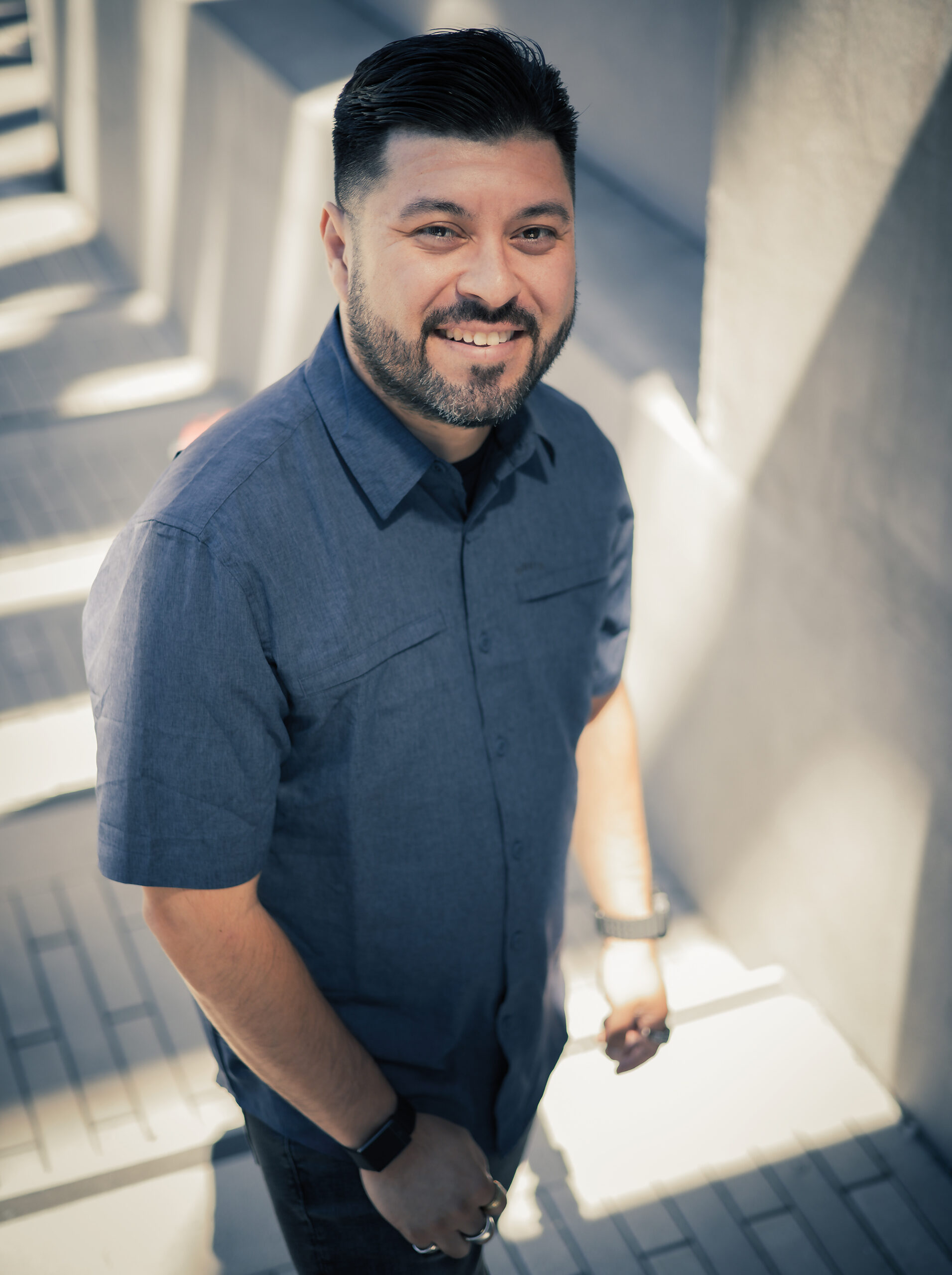
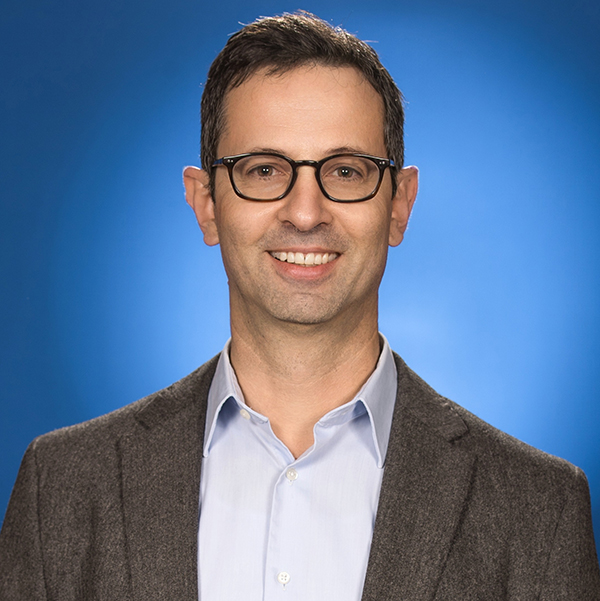
Some 109 years after the city’s founding, that legacy captured Jason Berry’s imagination. One day in 2023, Berry—Culver City Foshay’s master in 2024 and 2025—walked next door from his job as events coordinator for the Culver City Parks and Recreation Depart-ment into the Historical Society’s museum. He introduced himself to Bommarito, then the organization’s vice president, and told him he was interested in looking for items for the documentary he was producing on the lodge’s history.
“I originally came looking for artifacts for the documentary,” he says. “But the more I learned about the shared heritage with Culver City, the more obvious it became that this story deserved to be told—not just inside the lodge, but to the whole community.”
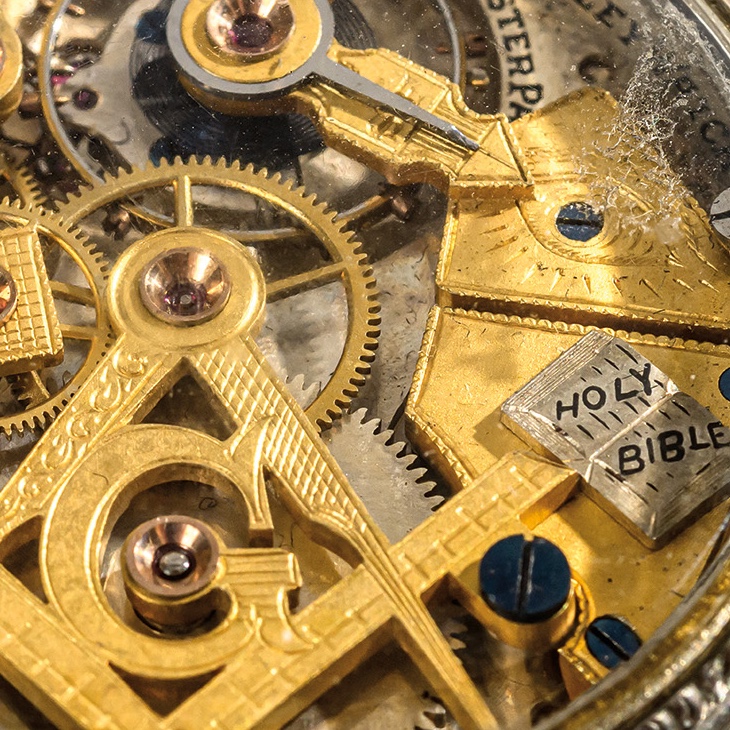
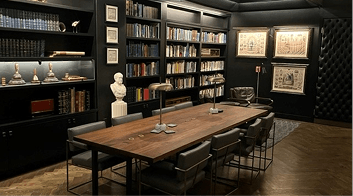
Like Culver, it wasn’t Berry’s toughest sales pitch. Bommarito calls the collaboration “a match made in heaven,” and the pair spent the next two years creating an exhibit of Masonic artifacts in the Historical Society’s museum. The exhibit, which closed in June, featured aprons, working tools, photographs, ritual regalia, and an 1870 lodge Bible, using familiar Masonic symbols to trace the intertwined stories of the city and its lodge. “We wanted not only to show our connection to Culver City through these artifacts, but also to give visi-tors a broader understanding of Freemasonry,” Berry says.
The project resonated so deeply with Bommarito that he curated the exhibit, a first for the retired teacher and adminis-trator. When he brought his fellow board members to Culver City Foshay lodge, all agreed to have the pre-exhibit presentation there instead of at the Historical Society. At that January presentation announcing the exhibit, there were pictures of Culver, Shillito, Coombs, Houck, Freeman, and Tellef-son on the chairs—“just like the Oscars,” Berry jokes. Each chair already bore the name of one of the lodge’s founders. Also in atten-dance was 87-year-old Stu Freeman, grandson of Louis and former president of the Historical Society. Today, more than a century after Harry Culver imagined a city rising from a barley field, Culver City and Culver City Foshay Lodge continue to share a common story. One grew into a thriving commu-nity; the other helped shape its civic life while preserving the ideals on which it was founded. Together, they are reminders that cities consist not only of roads and businesses, but of relationships that endure long after the foundations are laid. For visitors, the exhibit wasn’t simply about preserving history. It revealed that the story of Culver City can’t be told without the lodge—or the Masons who helped build both.
“These two organizations have been married for over a hundred years,” Bommarito says. “We just needed to recon-nect them—and let the community know how much they value each other.”
For Berry, that work isn’t finished. “We’re just as much a part of the city as the city itself,” Berry says. “We’re rededicat-ing ourselves for the next hundred years to continue showing the community that we’re here to stay.”
Photography by:
CC4/Seiichi Nitsuma
Alamy