
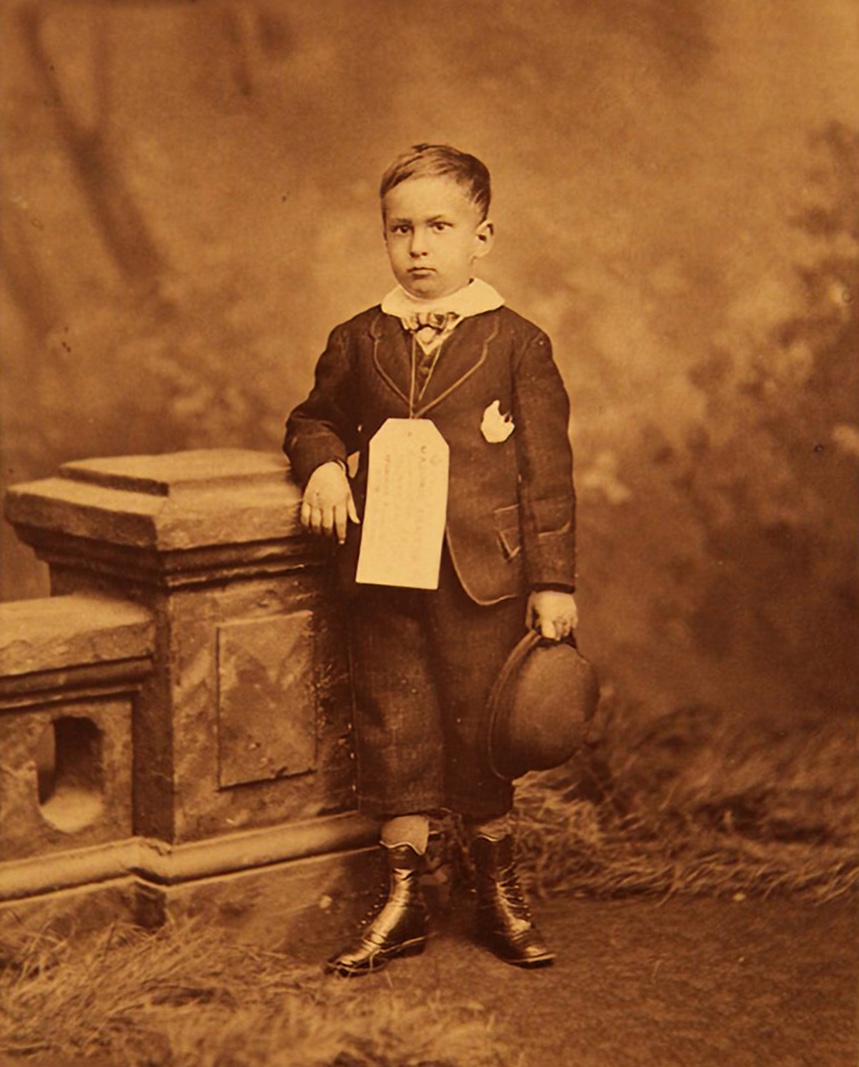
When the rain pulled into Sacramento on an October afternoon in 1878, it carried an unusual passenger. He was four years old.
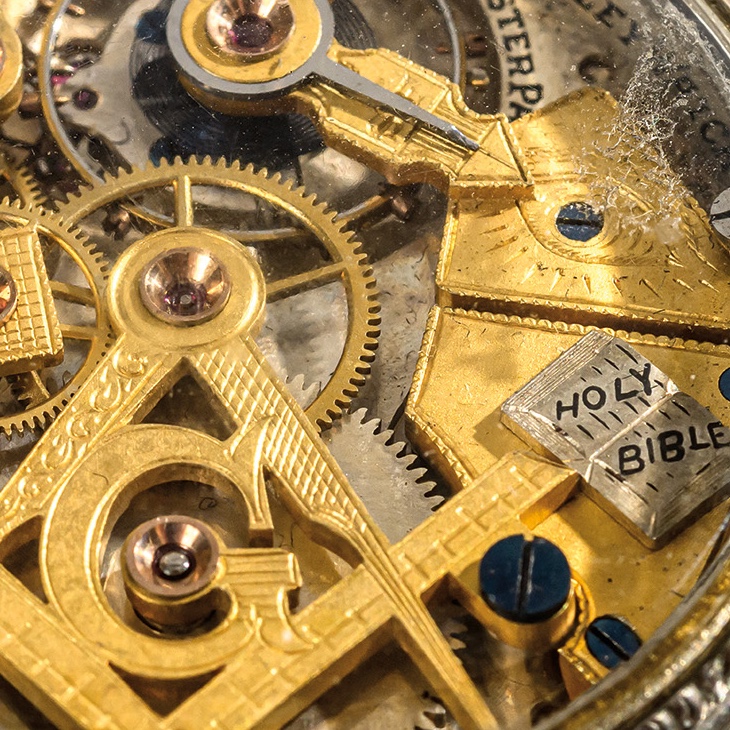
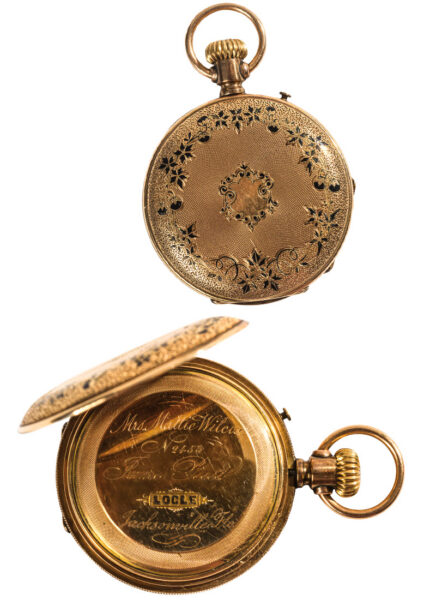
Around his neck hung a shipping tag identifying him simply as “The Mason’s Boy.” Tucked among his few possessions was a small gold pocket watch engraved with the square and compass. Neither the child nor the watch had begun their journey in California. Yet both would become part of its Masonic history.
Only weeks earlier, yellow fever had swept through New Orleans with terrifying speed. Young Walter Cary Wilcox had lost his father years before. Now the epidemic claimed his mother, leaving the boy alone in a city gripped by panic. There was little reason to believe anyone would come to his aid.
Then someone noticed the watch. Years before, Walter’s mother had cared for a dying Freemason in Florida. Honoring the man’s final wishes, she arranged for his remains to be returned to his lodge in Chicago for a proper Masonic burial. Members of his lodge were grateful for her kindness and presented her with a gold watch engraved with Masonic emblems. It was meant as a token of thanks. It became her son’s lifeline.
When funeral workers discovered the watch among her belongings, they contacted local Masons. Messages spread from lodge to lodge, and soon an extraordinary plan was underway. Walter would travel nearly 2,500 miles by rail to live with his grandmother, Hannah Cary, in Oakland. He would not travel alone.
From Louisiana to California, at station after station, Masons were waiting. They met the trains with warm meals, fresh clothes, toys, and reassurance. Railroad conductors handed him from one lodge delegation to the next, each knowing only that a frightened little boy was depending on them. Newspapers across the country followed the journey, turning the remarkable passage of “The Mason’s Boy” into one of the fraternity’s best-known—and most loved—stories.
When Walter arrived in Sacramento, Grand Master Nathaniel G. Curtis welcomed him personally before accompanying him to Oakland. The Grand Lodge of California assumed responsibility for his care, raising money for his education and future. After his grandmother died, Grand Treasurer Nathan W. Spaulding adopted Walter into his own family.
The little boy who had crossed America wearing a tag around his neck eventually made a life in California. He worked for Wells Fargo, later became a dentist in Stockton, and in 1895 was raised a Master Mason at Oakland № 188. The fraternity that had once carried him West now welcomed him as an equal.
Pocket watches are often admired for what they reveal about their owners—their taste, profession, or place in history. This one revealed something else.
Its value was never in the gold case or the movement inside. It was in the emblem engraved on its cover, a symbol recognized by Masons thousands of miles apart. Sometimes the smallest object carries the greatest weight—not for telling time, but in revealing who’ll answer your call.
Photograph courtesy:
Henry W. Coil Library and Museum of Freemasonry