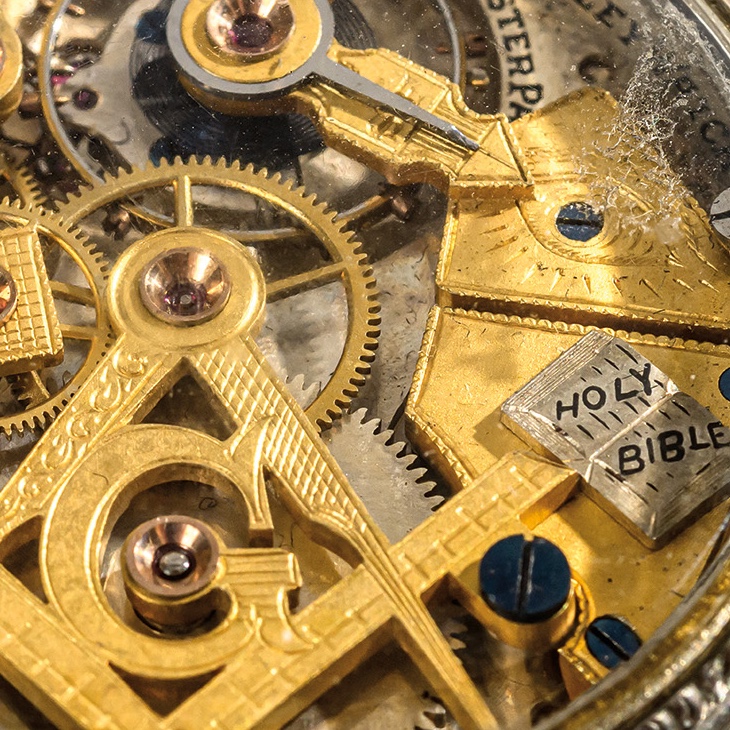


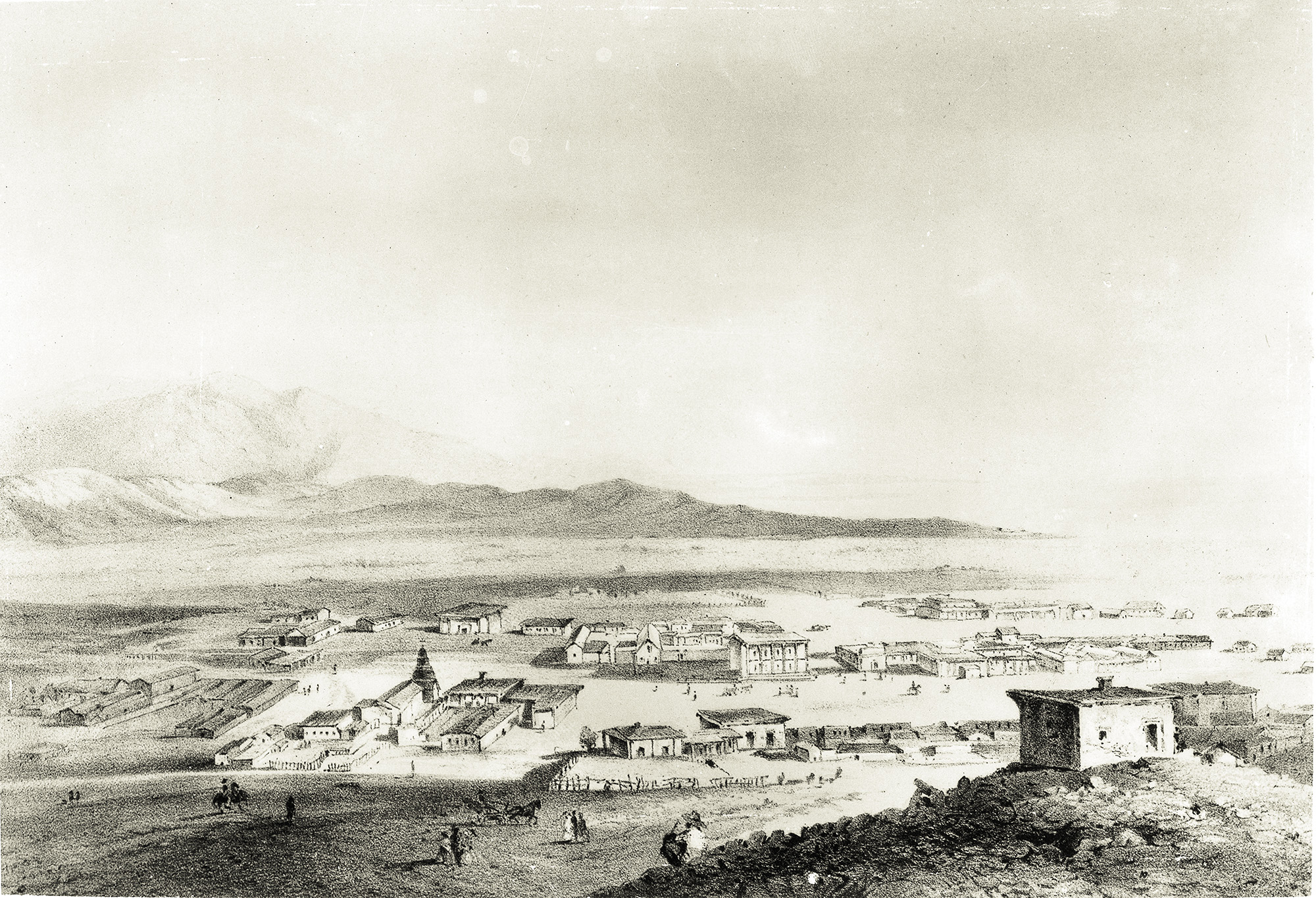
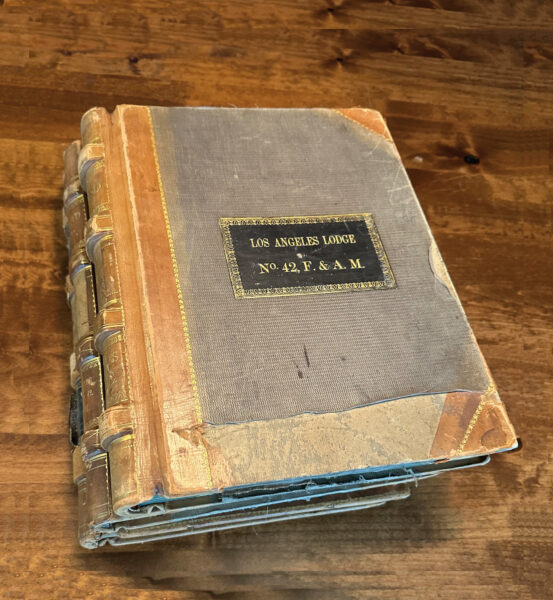
Among the organizations that emerged as this new community grew was the first to have been instituted by Americans outside the government: a Masonic lodge. Los Angeles № 42 was formally established in 1853, though Freemasons had already been gathering informally in the city as early as 1851. Its members were merchants, civic leaders, and community builders who brought with them their experiences, ideas, and social networks into lodge—and then back into the city around them. Though membership remained modest, expanding from 23 in 1854 to 67 in 1870, the relationships formed within the lodge became part of the larger story of LA’s evolution.
Members of Los Angeles № 42 were not simply observers of the city’s development; they helped create the systems and institutions that allowed it to flourish. Their influence reached from government offices and civic institutions to the practical systems—schools, water, transportation, and commerce— that allowed the city to expand.
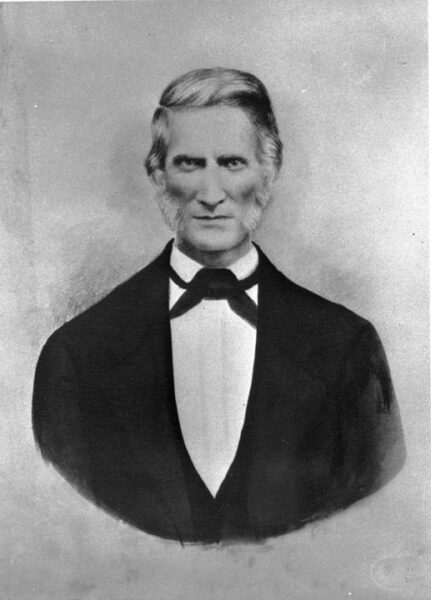
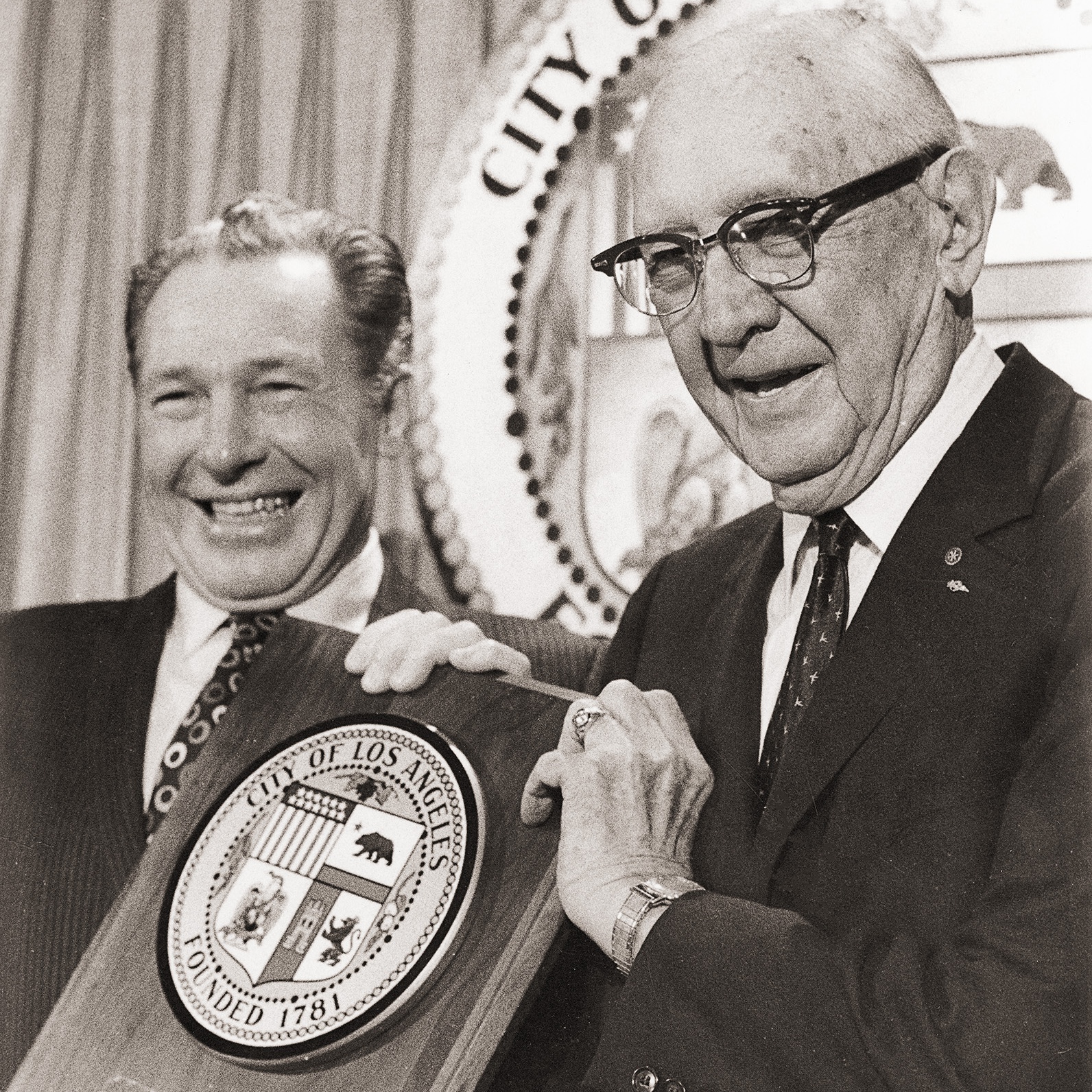
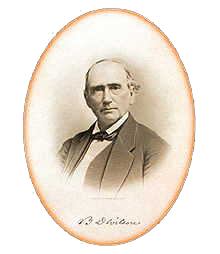
Among the lodge’s early members were men who helped define the city’s leadership. Alpheus Hodges, a charter member of Los Angeles № 42, became the first mayor after the city’s incorporation in 1850. James Barton, another early Mason, served as Los Angeles County sheriff and became one of the city’s best-known law enforcement figures before his death in 1857. Members of the lodge also served on the Common Council (City Council) and county board of supervisors, helping guide decisions that shaped the young city.
Education was one of the first priorities. When the Common Council created a public school system in 1853, member Joseph Lancaster Brent was appointed its first superintendent. A lawyer and civic leader, Brent helped organize the city’s earliest public education efforts at a time when formal institutions were still coming into existence. He later served a second term overseeing the city’s schools, helping establish an educational structure that would support LA’s future.
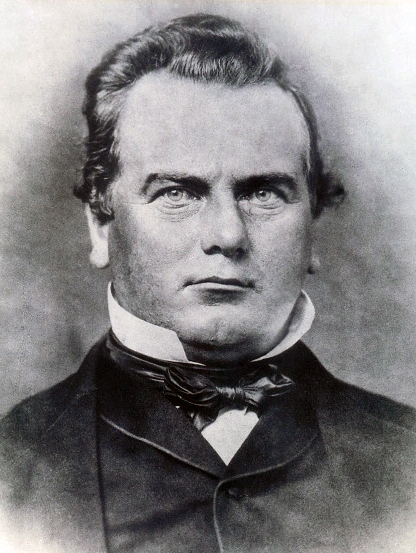
Brent laid the administrative groundwork; Mayor Thomas Foster helped give education a physical home. A physician by trade, who served as mayor from 1854 to 1855, Thomas championed the construction of LA’s first public schoolhouse, which opened in 1855 where The Los Angeles Times building now stands. At the time when the young city was creating its first lasting civic institutions, the schoolhouse stood alongside projects to improve streets, public safety, and local government. Foster, an active member of the lodge, saw education as an essential investment in the future: During his inaugural message as mayor, he pledged to “foster and sustain” public schools “in such a manner as becomes intelligent Freemen.”
Infrastructure problems in the growing settlement demanded practical solutions. Among the challenges were contamination issues: The uncovered ditches where residents obtained their water were being polluted by bathers, animals, and laundry use. Lodge member William Dryden helped address one of the city’s earliest public-health challenges by establishing Los Angeles Water Works, introducing a closed-pipe delivery system that expanded access to cleaner water. His work marked a shift from informal pueblo-era systems toward modern municipal services.
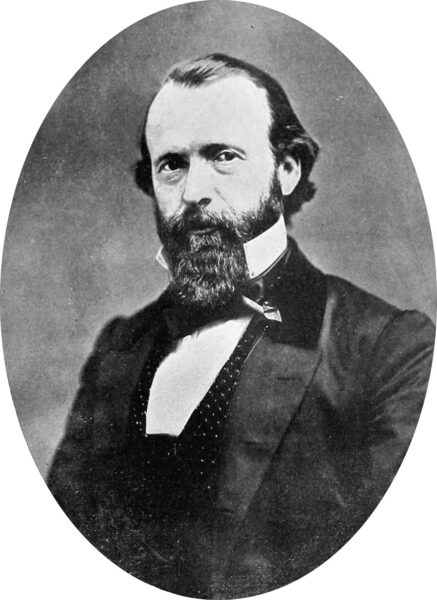
Few individuals influenced the economic future of Southern California more than Phineas Banning. A businessman, transportation pioneer, civic booster, and member of the lodge, Banning recognized that the region’s future depended on connecting the inland settlement to the coast. His development of the Wilmington area and the railroad connection between San Pedro and LA in 1869 helped establish the transportation network that would support the area’s rise as a major commercial center.
As LA grew, it needed a new urban framework: Enter Henry Hancock, a surveyor and lodge member, who helped map the city’s streets and introduced surveying methods that reflected the American approach to city planning. His work helped transform a settlement shaped by earlier Spanish and Mexican traditions into the largely grid-based metropolis it is today. The transformation was also visible after the sun went down. Mason William Perry established the Los Angeles Gas Company, which led to the city’s first street lighting in 1867. For residents accustomed to a town illuminated largely by candles, the arrival of gas lighting represented another step toward becoming a modern American city.
Economic growth required institutions capable of supporting investment and commerce. Lodge members—and Masons such as Francis Pliny Fisk Temple and Isais Hellman—were deeply involved in establishing some of LA’s earliest banks, providing the financial foundation that helped fuel the city’s first major period of expansion in the 1860s and 1870s.
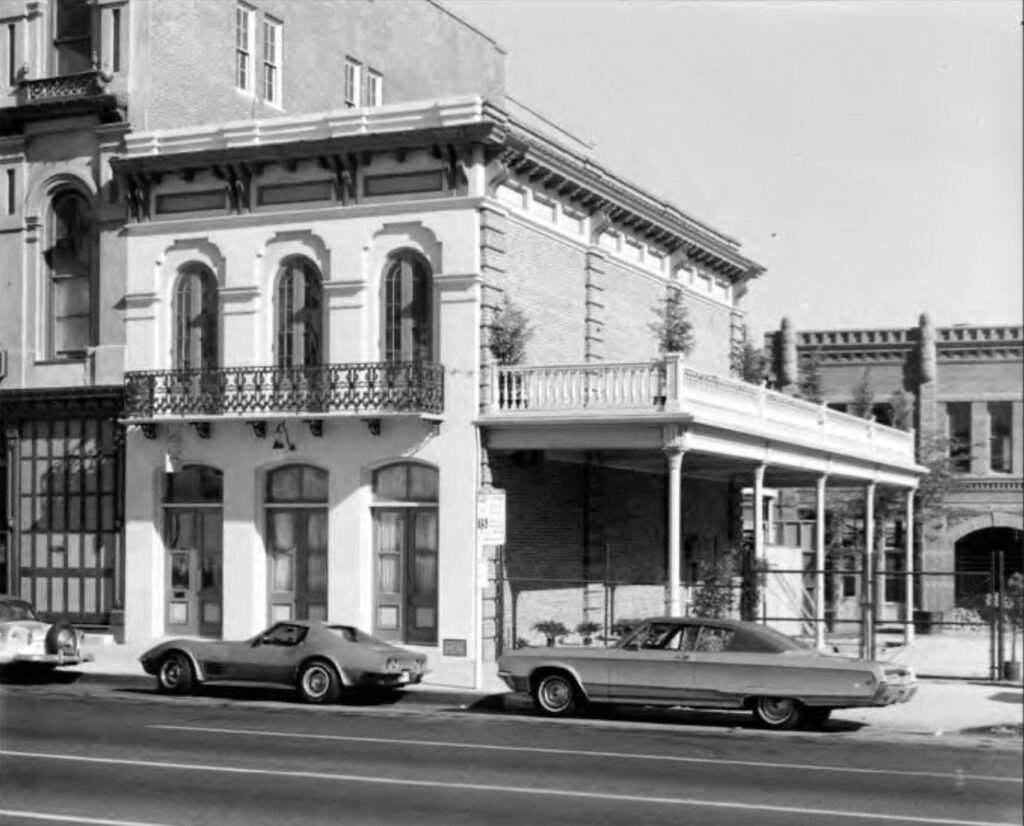
Perhaps the greatest contribution of Los Angeles № 42 was not a building, road, or institution; it was the idea that men from different backgrounds could gather as equals. During the 1850s, scores of new immigrants poured into the region from all over the world. By 1860, more than half of the city’s population were immigrants (not native-born Californios). The challenge was how immigrants from different cultural and religious backgrounds would form a shared identity. It was the Masonic lodge, and the many other volunteer organizations that followed, that were the primary drivers for creating community in LA.
The lodge was a place where immigrants from throughout the country could congregate and form bonds of fellowship and trust. In lodge they were all brothers, regardless of their ethnic or religious background. And in Los Angeles № 42, there were members from other parts of the world: England, Ireland, Germany, France, Mexico, and New Zealand. They came from different religious backgrounds, too: Mormon, Catholic, Protestant, and Jewish. While outside the lodge, Thomas Burdick was a Mormon bishop, Edelman was a rabbi, and Lewis Granger was a Baptist minister, inside they met on the level as brothers. That spirit extended into leadership as well. Lodge was a place where men could rise, lead, and shape the organization together. Jewish members served as masters of the lodge in 1857, 1867, 1868, 1881, 1883, and 1884, demonstrating that religious and cultural differences could exist alongside shared identity as Masons. While it brought together men of diverse backgrounds, the lodge also embodied the limitations of its era; its ideals of equality did not extend to all members of society.
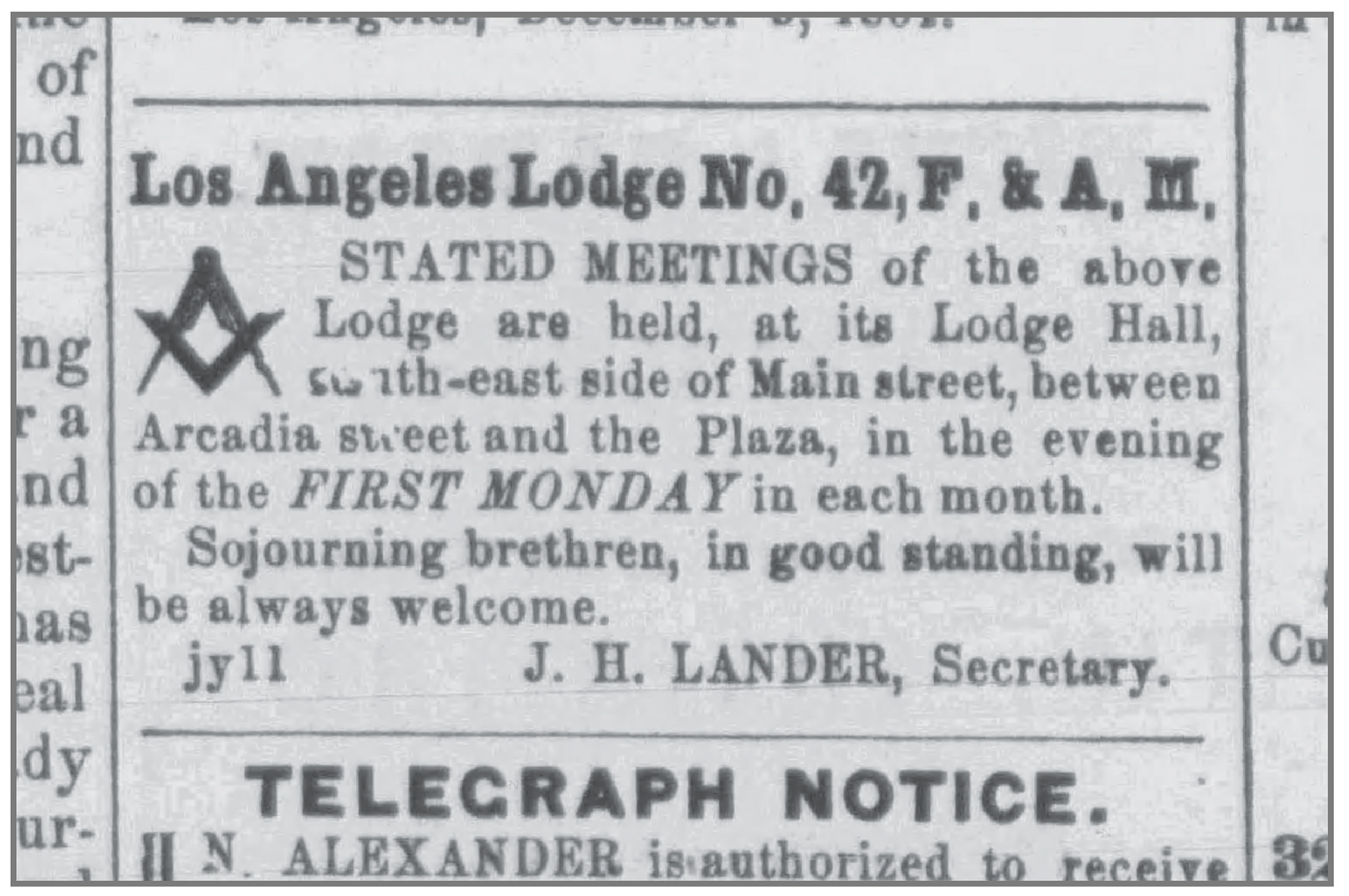
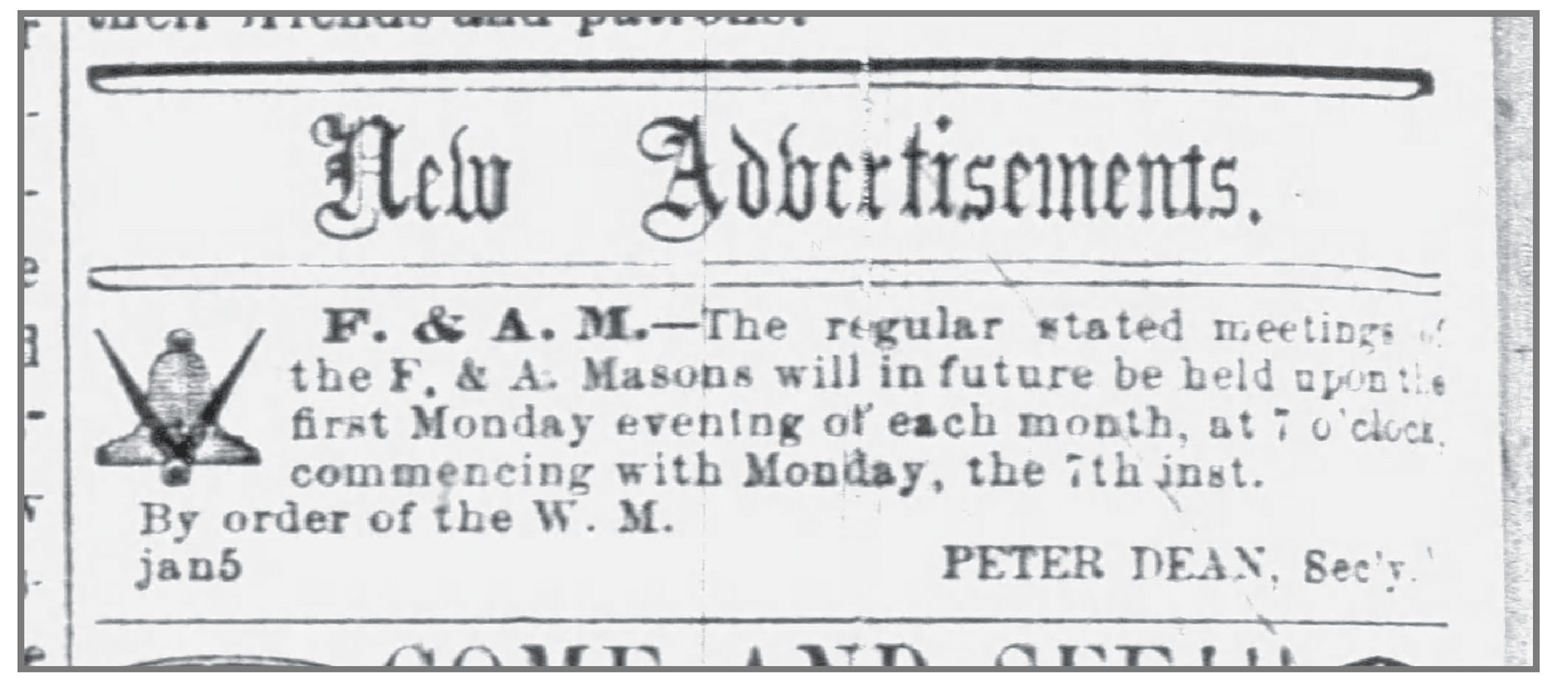
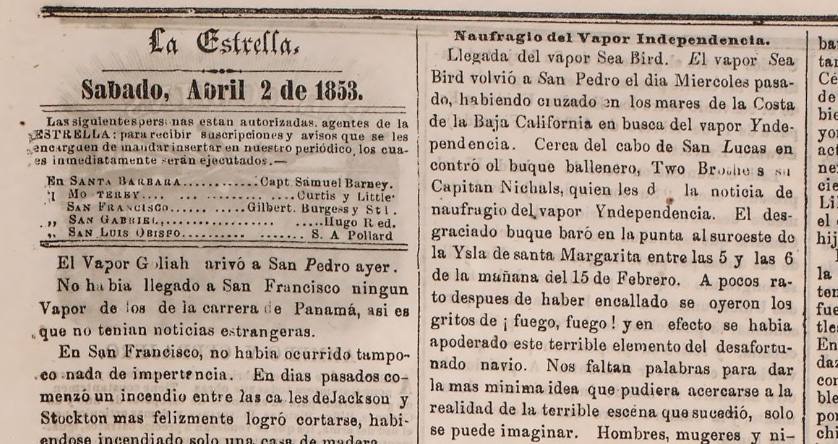
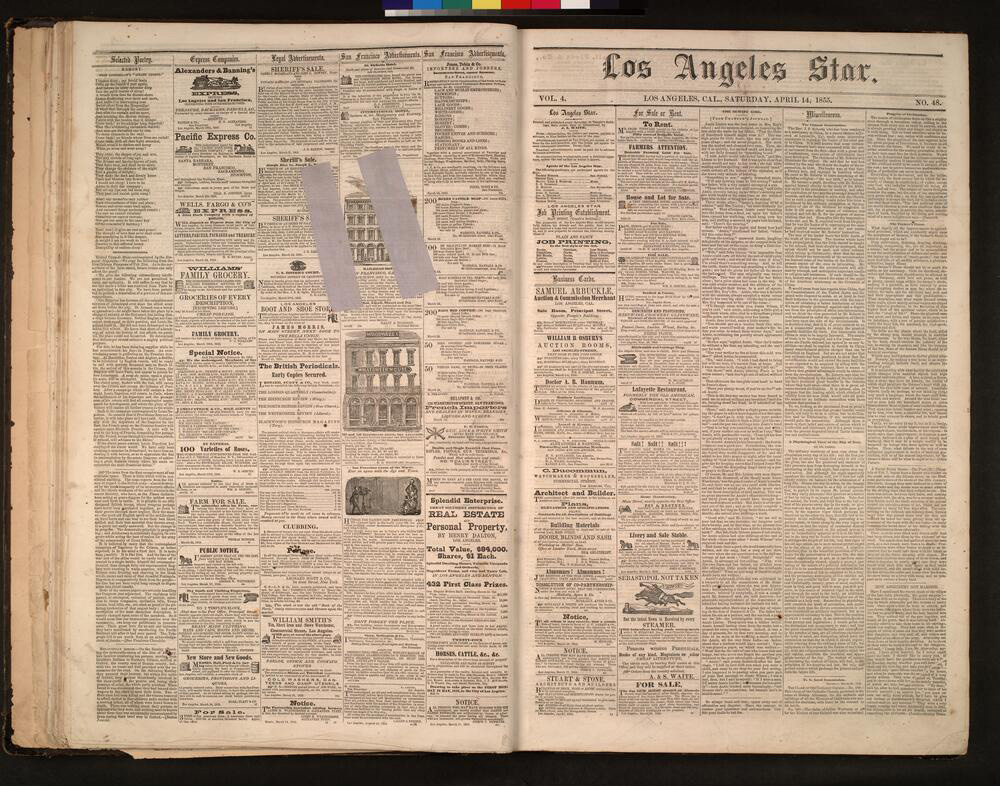
Masonic tenets were also transmitted outside the lodge to the community at large by way of the newspaper. The Los Angeles Star regularly reported on Masonic activities and events and listed the times and locations of stated meetings. Speeches given at Masonic functions were reproduced in their entirety, espousing tenets such as charity, personal integrity, and religious tolerance.