What is Freemasonry?
Put simply, Freemasonry (also called Masonry) is a 300-year old worldwide organization born out of medieval tradesman’s guilds. It’s also a set of teachings for a life well-lived. Masonry is both a group you join and a moral scaffolding for personal growth.
Ancient Freemasons built castles and cathedrals. Today, we build character. We believe in strong values, self-improvement, giving back to our communities, and helping each other in times of need. Our traditions center on moral teachings told through the symbols and allegory of stonemasonry.
In a nutshell, Freemasonry is an organization of like-minded members dedicated to improving themselves and their communities.
What do Masons do?
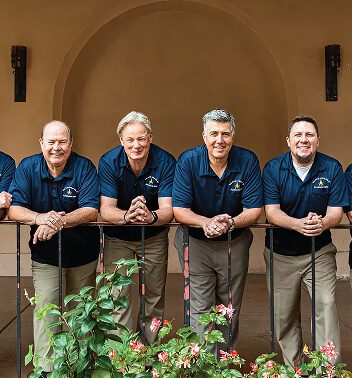
Officially, a Masonic lodge is centered around regular “stated meetings,” at which members vote on new members and do the ongoing work of running the lodge, which is a non-profit. Members also prepare for an hold the ritual performances through which new members advance through the degrees of Masonry. But there’s a second part to this answer, and that’s that Masons do what any other group of friends might do: We meet up for a cup of coffee. We arrange golf outings. Barbeques. We attend lectures. We host community events, mentor young people, volunteer for worthy causes, and help one another in times of need. The vast majority of Masonry happens outside of the lodge hall.
How different is Freemasonry from other service organizations?
While service is one key part of who we are and what we do, it’s not the extent of it.
Freemasonry is about three things: personal development, true friendship, and community service. Unlike other volunteer groups, we spend a lot of time workign on becoming our best selves. That incldues building leadership skills and workign to be better partners, parents, and friends.
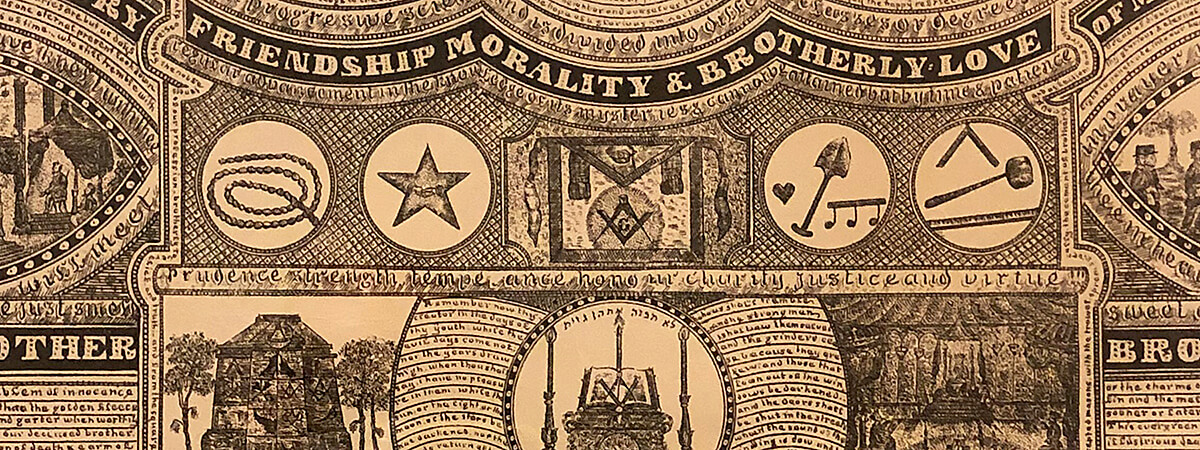
Because we’re a 300 year-old organization with a love for symbolism, we also have a lot of pomp and circumstance: fancy regalia, unusual titles, very old rituals. That means when you join a Masonic lodge, you are joining an important part of history, with traditions you won’t find anywhere else.
What causes do Freemasons support?
One of the most important goals of a Freemason is being a good citizen. That’s why Masons are known for giving back.
At a local level, we support causes that are important to our communities. We also take care of vulnerable members and their families through the Masonic Homes of California, an organization that supports seniors and at-risk Masons and families with health care services and emergency funds.
Globally we’re known for supporting public schools. Many of the first public schools in the United States were launched by Freemasons, who believe that equal access to knowledge is the basis for a civil society. Today, we continue to support public schools and youth education intiatives through the California Masonic Foundation, which sponsors many academic and family-learning programs, teacher awards and technical education efforts.
Is Freemasonry a secret society?
The answer is a simple no. It’s a common misunderstanding, though.
When Freemasonry first began in the 18th century Europe, Masonic ideals of tolerance and equality were quite radical, and sometimes illegal. So Masonic lodges didn’t exactly advertise. (In the United States, through, Masonic lodges have almost always been highly visible in their communities.)
Times have changed. Freemasonry is at its best when we engage openly with the world. That’s why our lodges have websites, social media pages, and public events. We can and do talk freely about almost everything we do with just a very few exceptions, such as discussing the specifics of the degrees and rituals, or handshakes and passwords.
We encourage you to explore this site to learn more about who we are and what we do. And, if you are interested, learn more about joining a lodge.